
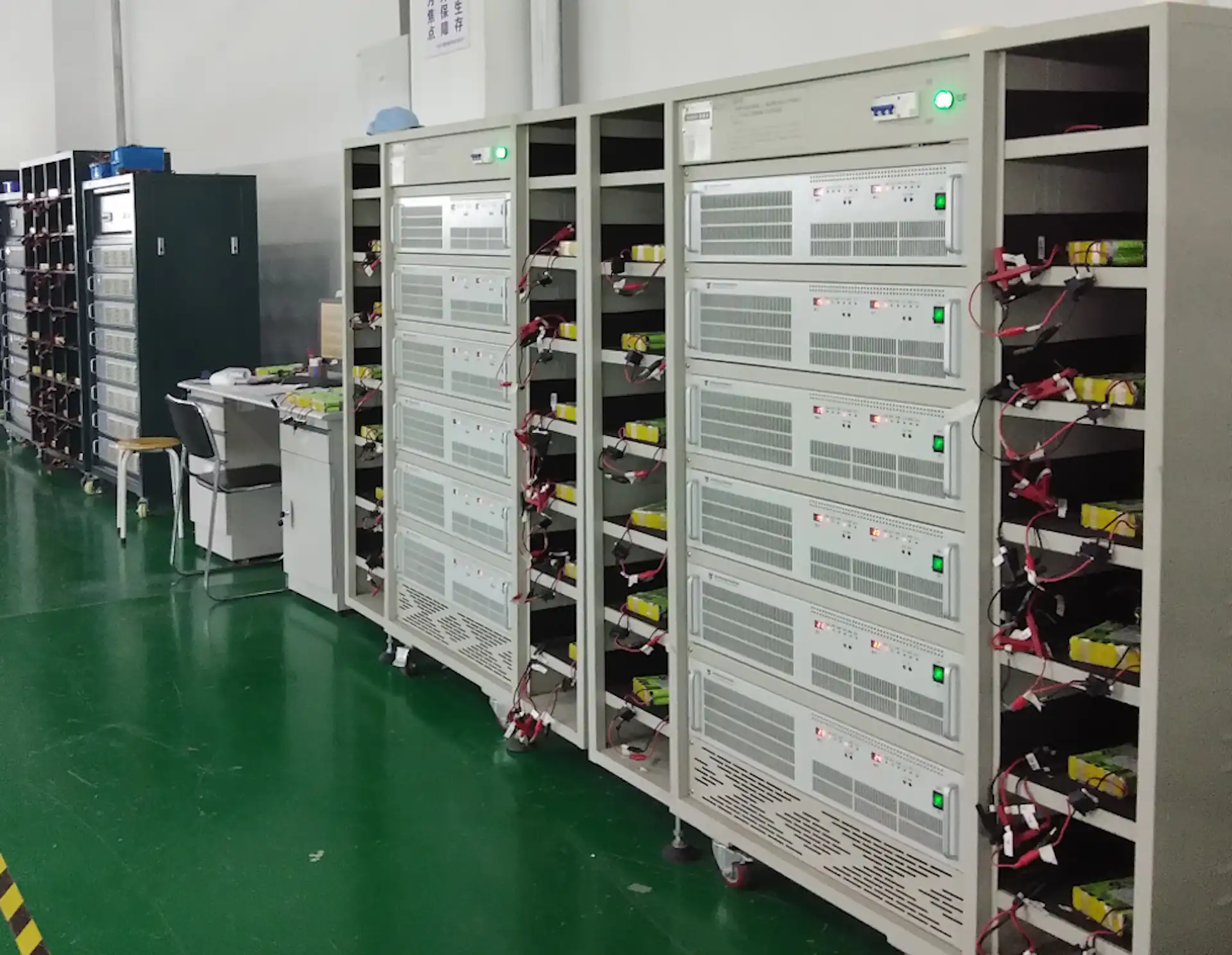
IEC62133-2:2017: The full name is secondary cells and batteries containing alkaline or other non-acid electrolytes – Safety requirements for portable sealed secondary cells, and for batteries made from them, for use in portable applications – Part 2: Lithium systems. It specifies requirements and tests for the safe operation of portable sealed secondary lithium cells and batteries containing non-acid electrolyte, under intended use and reasonably foreseeable misuse. It is the necessary certification for sales the batteries in EU region. It is suitable the li-ion cells and packs under 60VDC, covering the application of various portable devices. Other bigger li battery packs should apply the other relative certification on the basic of the applied felid.
Features
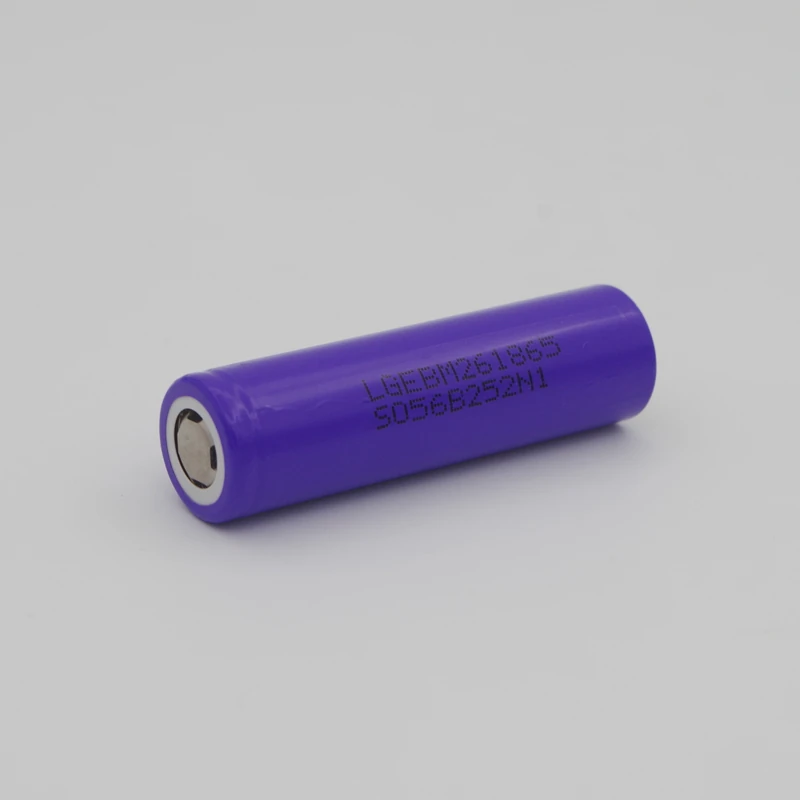
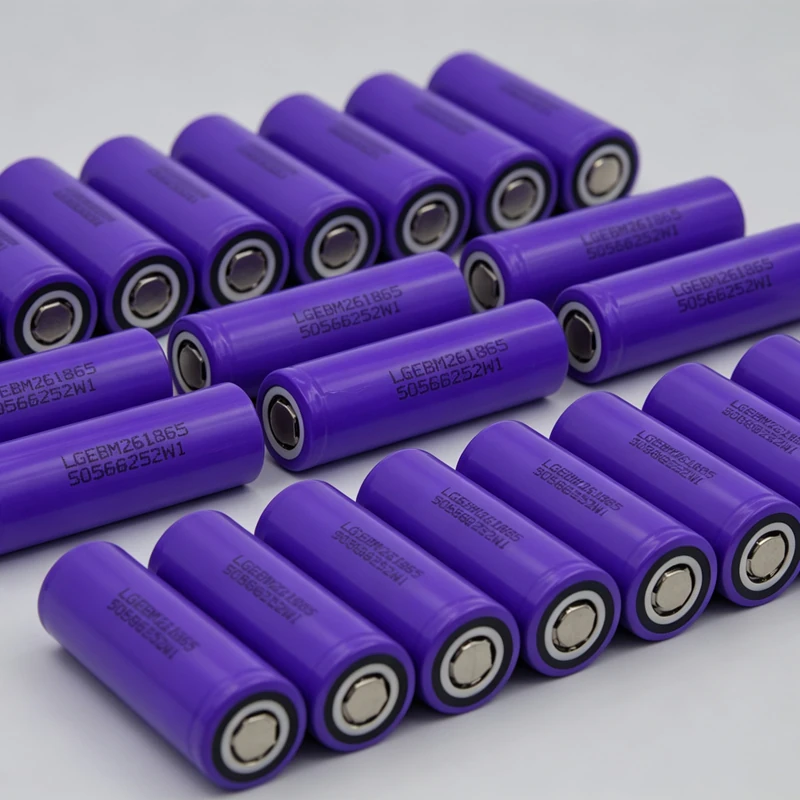
- 3.6V working voltage platform; NCA and NCM material systems are widely applied in various fields.
- Works outdoors down to -40°C without a heating pad system.
- No memory effect.
- Long cycle life: low temp models still reach 500 cycles.
- Higher energy density compared with other rechargeable material systems.
- Mature mass production capacity, making it one of the most widely used battery types worldwide.
- Reliable structural safety: built-in PTC overcurrent protection for single cells and explosion-proof valves on caps; the cylindrical structure relieves stress and helps curb thermal runaway propagation.
Technical Specifications
Low Temp Type
| Model | Nominal Capacity (mAh) | Nominal Voltage | Work Voltage Range | Discharge Current | Applied Charge Temp | Applied Discharge Temp |
|---|---|---|---|---|---|---|
| INR18650L | 2000 | 3.6 | 2.5-4.2V | 6A | 0~+45°C | -40~+60°C |
| INR18650A | 2800 | 3.6 | 2.5-4.2V | 8A | 0~+45°C | -40~+60°C |
| INR18650M | 3500 | 3.6 | 2.5-4.2V | 10A | 0~+45°C | -40~+60°C |
| INR21700A | 4000 | 3.6 | 2.5-4.2V | 20A | 0~+45°C | -40~+60°C |
| INR21700B | 4500 | 3.6 | 2.5-4.2V | 30A | 0~+60°C | -40~+60°C |
Applications
- Outdoor power station
- Cold chain AGV
- Aerospace power supply
- Camp lamp
- Polar exploration robot
Certifications
UL 1642 certification requirements cover rechargeable lithium-ion batteries for use as a power supply in the products. It consist on the li battery cells and battery packs on safety tests.
UN38.3: UN Manual of Tests and Criteria, Section 38.3 (Transport of Dangerous Goods). All lithium batteries (and some sodium-ion batteries) – for air, sea, and land transport must apply the relative test report and certification. Li-ion battery cells and battery packs belongs to UN3480 in UN38.3. The batteries installed in a device should package on the basic of UN3481. ITAT rules only cargo can ship the li battery cells and packs.
Material Safety Data Sheet (MSDS) documents the material composition, handling and transport precautions of the battery, and is supplied where the buyer or carrier requires it.
(EU) 2023/1542: EU New Battery Regulation (Framework Regulation). It defines all battery categories (portable, SLI, LMT, EV, industrial). Battery should apply the relative certification on the basic of the application.
RoHS 2.0 (2011/65/EU) restricts hazardous materials, specifically lead, cadmium, and mercury, in electrical goods.
User Manual
- Use qualified equipment to charge and discharge the batteries, and follow the correct instructions.
- Li-ion battery must be used with a protection PCM. Select it by working voltage and pulse current; it shall at least support over-charge, over-discharge and over-current protection.
- Low temp batteries do not need a heating pad system in the management system; they supply power directly at -40°C.
- Do not mix batteries of different models or from different manufacturers.
- Do not use new and old batteries in combination.
- Do not charge or discharge batteries that are overheated, inflated, deformed or leaking electrolyte.
- Do not overcharge or over-discharge the battery.
- Do not short-circuit the positive and negative terminals with any metal conductor.
- Do not pierce, strike, trample, fold or violently impact the batteries.
- Do not place, charge or operate the battery where the ambient temperature may exceed 60°C.
- Do not reverse-charge the batteries.
- Do not disassemble or modify the battery, including its internal circuitry.
- Do not use damaged batteries, including cells with broken sealing edges, damaged outer PVC casing or electrolyte leakage. If a cell heats abnormally, stop charging and discharging immediately.
FAQ
A: INR18650L 2000mAh, INR18650A 2800mAh, INR18650M 3500mAh, INR21700A 4000mAh and INR21700B 4500mAh, all at 3.6V nominal.
A: Down to -40°C; the applied discharge temperature is -40~+60°C for every model.
A: 6A (INR18650L), 8A (INR18650A), 10A (INR18650M), 20A (INR21700A) and 30A (INR21700B), with a 2.5-4.2V working range.
A: Charge at 0~+45°C (INR21700B is listed at 0~+60°C); low temp models still reach 500 cycles.
A: Yes, a PCM with over-charge, over-discharge and over-current protection is required. Certifications quoted are UL1642, IEC62133-2:2017, UN38.3, MSDS, RoHS and (EU) 2023/1542.
Related Battery Products
Discover complementary products in our Li-Ion and energy storage lineup.
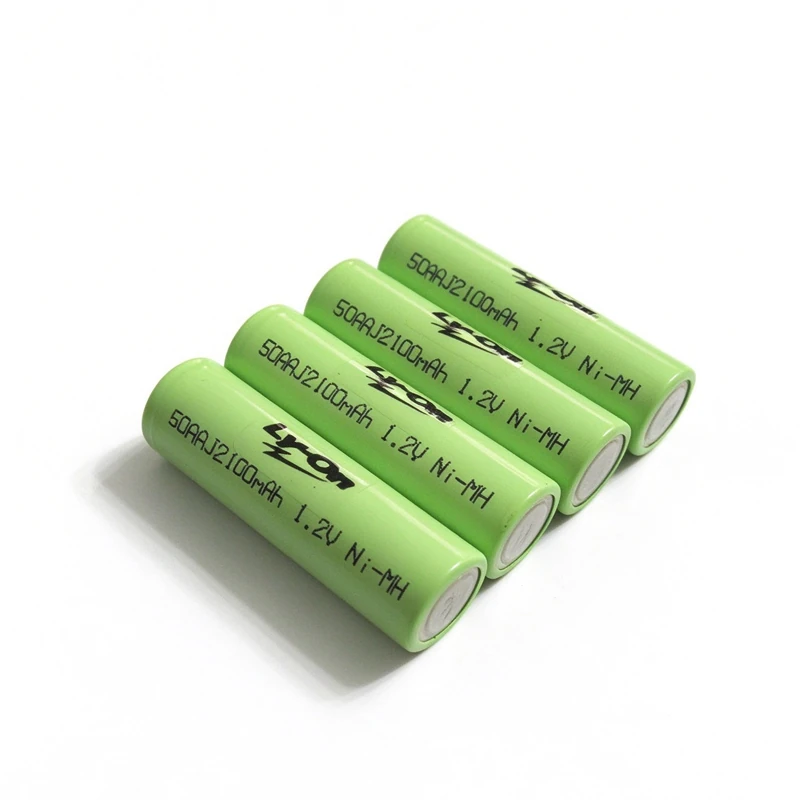
NIMH Cylindrical 1.2V 700-15000mAh Rechargeable Battery
NiMH cylindrical cells from AAA to F size, 1.2V and 700-15000mAh, with high-power, high-temperature, low-self-discharge and…
View Details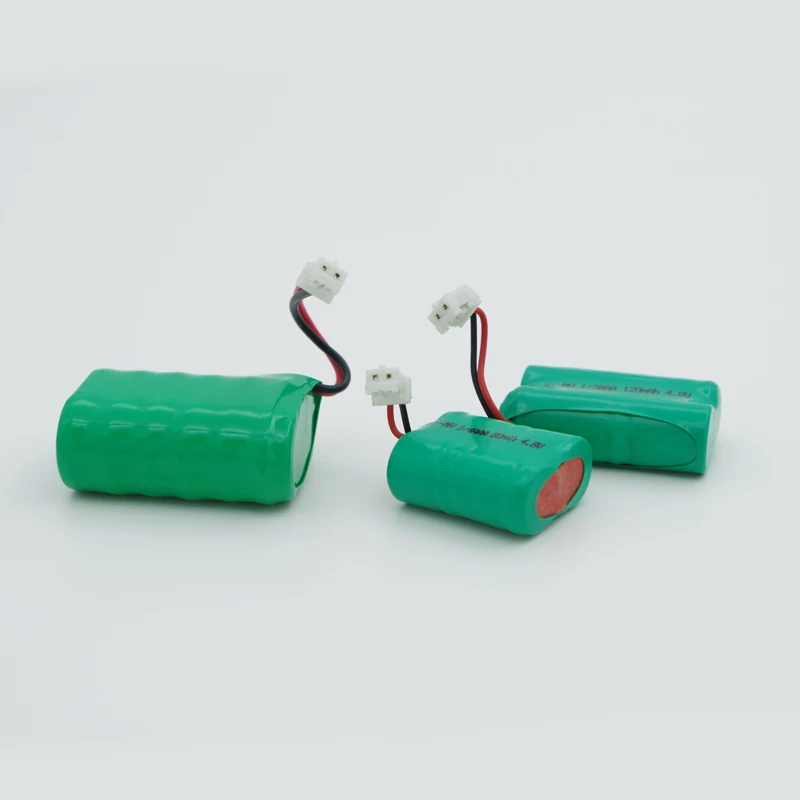
NIMH Button Cell 1.2V 20-330mAh Rechargeable Battery
NiMH button cells from B20 to B330, 1.2V and 20-330mAh, in button shapes for telecom equipment,…
View Details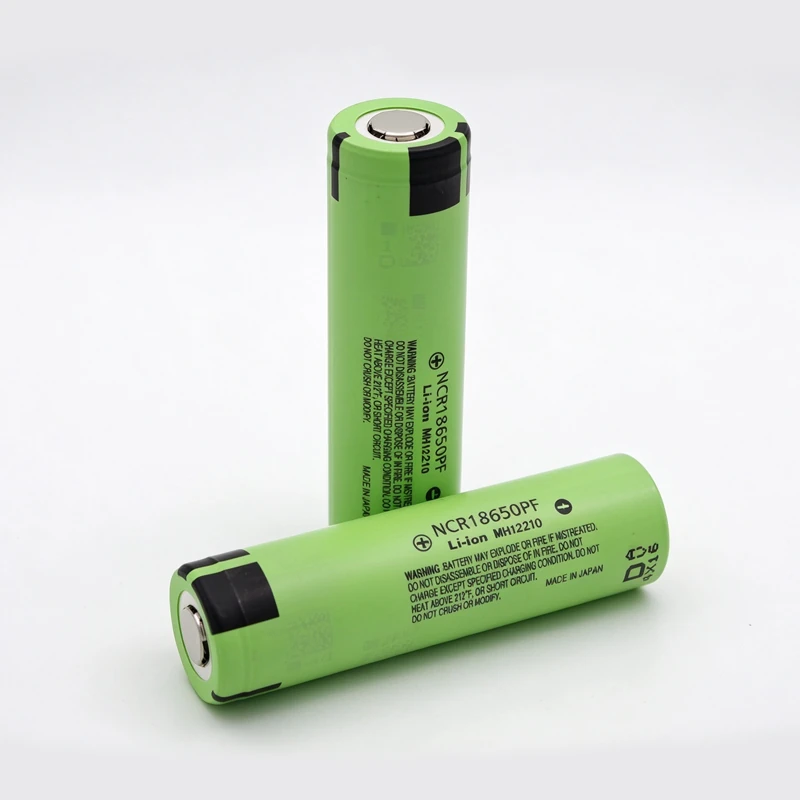
Li-ion High Capacity 3.6V 750-5000mAh Rechargeable Battery
Li-ion energy cells in ICR14500, INR18650, NCR18650, INR26650 and INR21700 sizes, 3.6V and 750-5000mAh, with 1000-2000…
View Details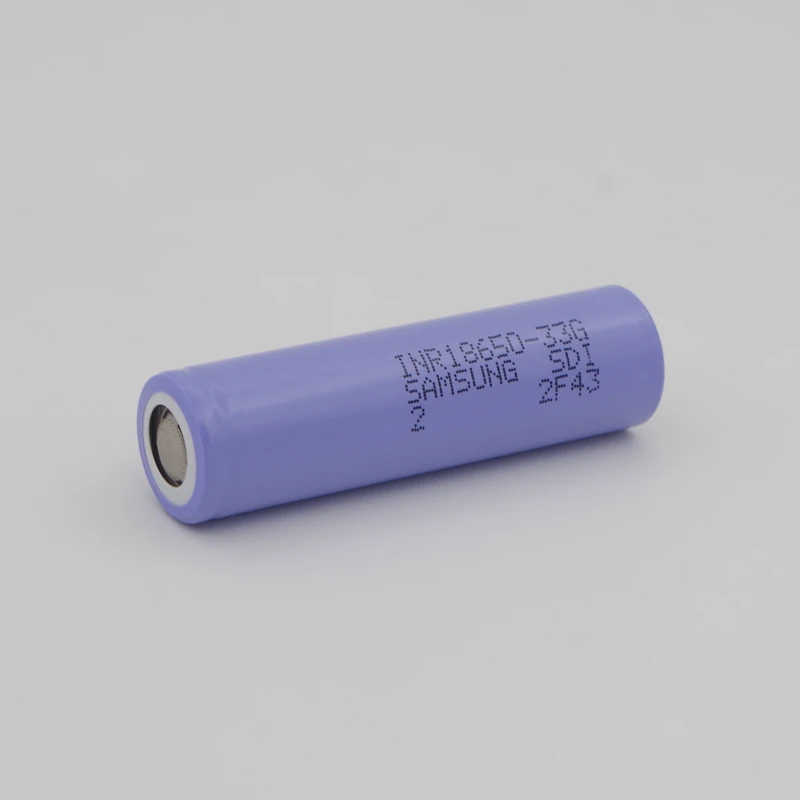
Li-ion High Power 3.6V 1500-4500mAh Rechargeable Battery
Li-ion power cells INR18650P/R/H and INR21700R/P, 3.6V and 1500-4500mAh, with 1-3C charge and 3C-10C discharge for…
View Details