
IEC 61951-2: The full name is Secondary cells and batteries containing alkaline or other non-acid electrolytes – Secondary sealed cells and batteries for portable applications – Part 2: Nickel-metal hydride batteries. It specifies marking, designation, dimensions, tests and requirements for small prismatic, cylindrical and button-type sealed nickel-metal hydride rechargeable cells and batteries, which can be used in any orientation for portable equipment. It is a globally recognized international standard.
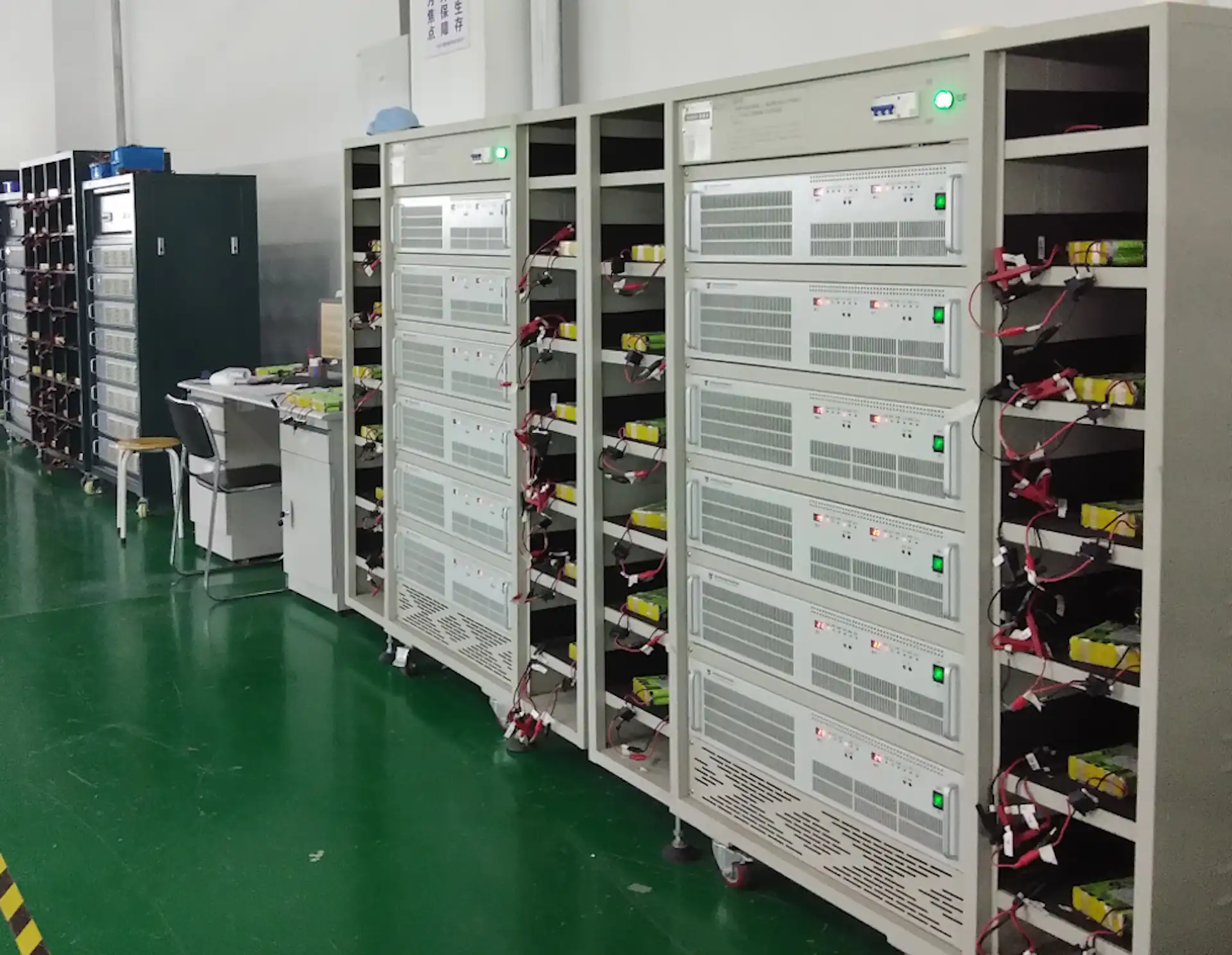
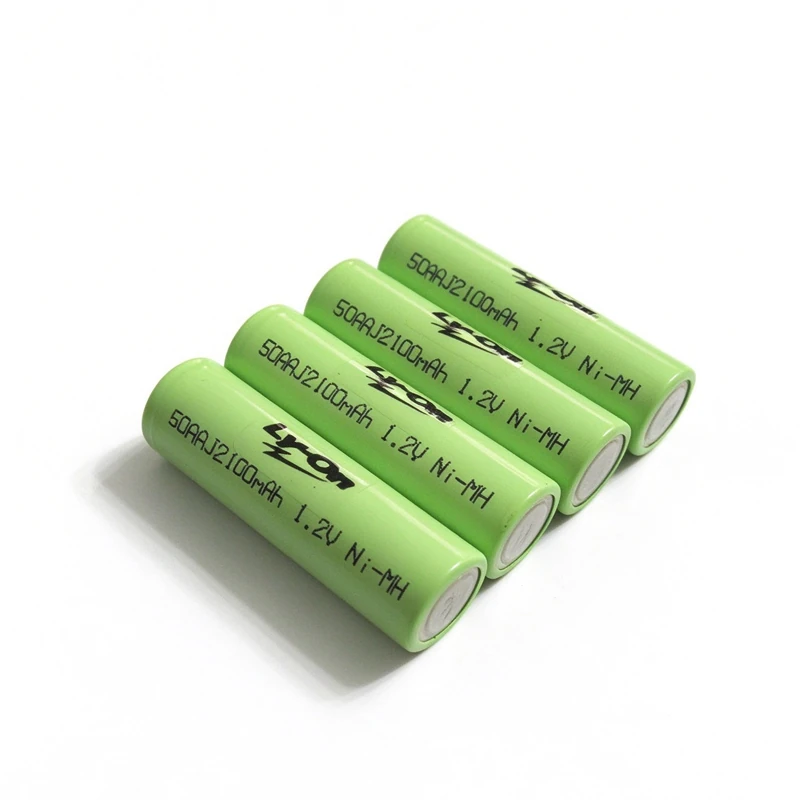
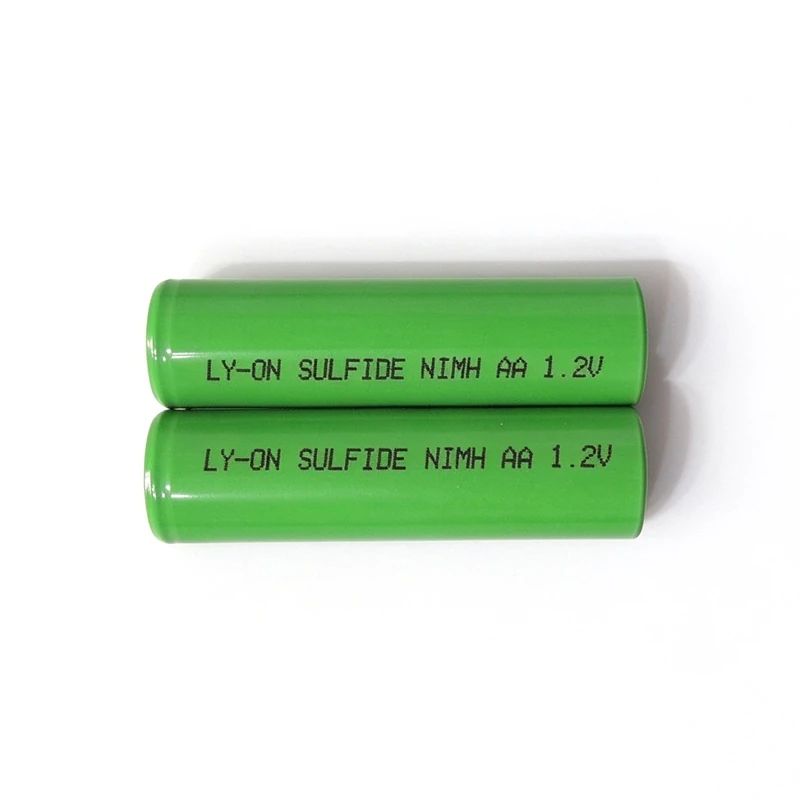
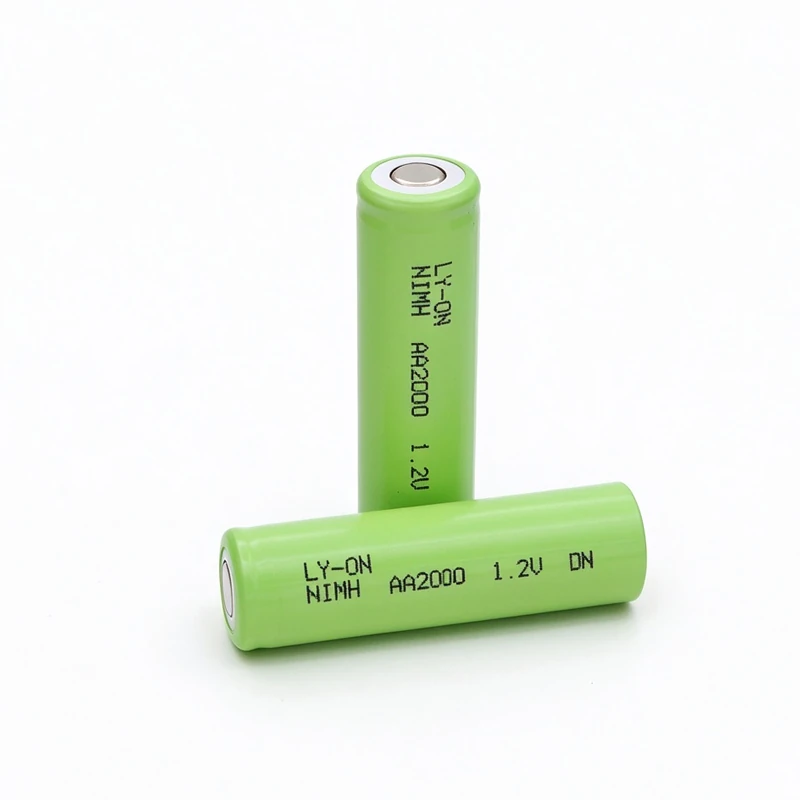
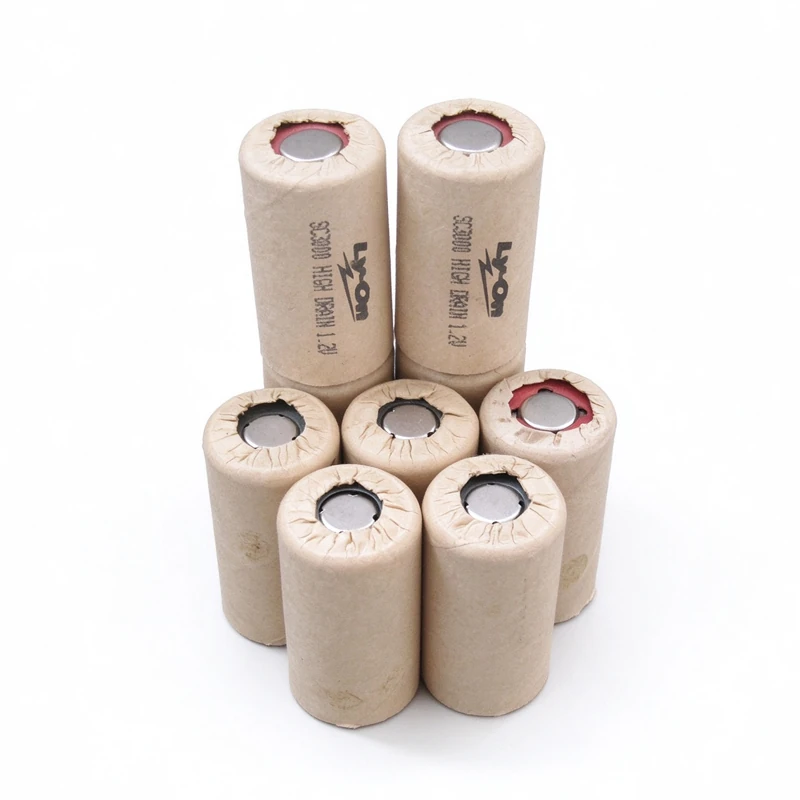
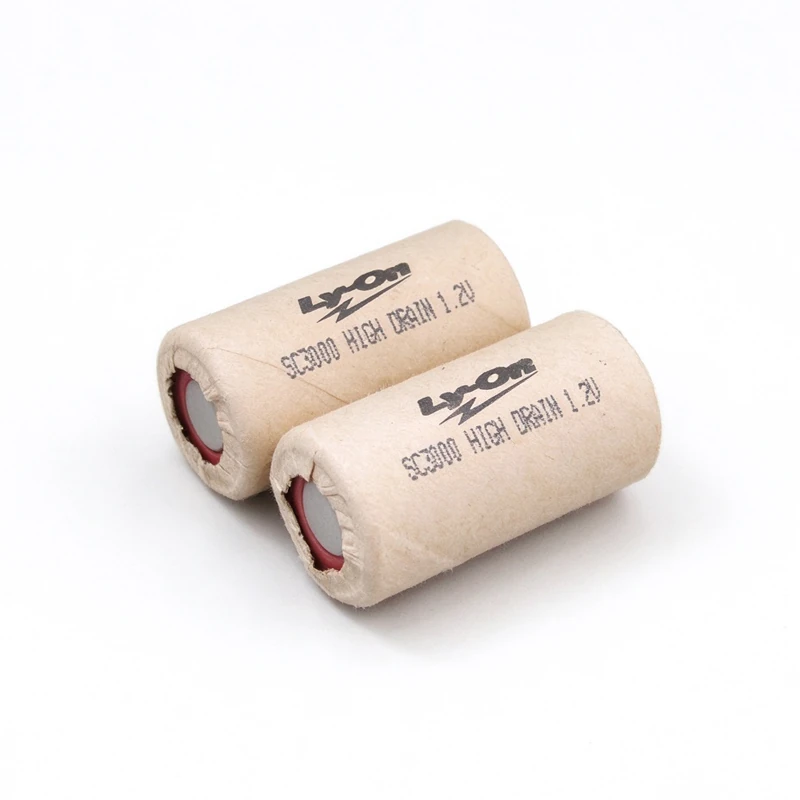
Features
- Working voltage 1.0-1.4V.
- Eco-friendly, free from harmful heavy metals such as Hg, Cd and Pb.
- Stable flat discharge voltage performance.
- No memory effect.
- Long cycle life.
- Safer than Li-ion batteries; NiMH can pass the ATEX test for underground applications.
- Ultra-low self-discharge grade keeps an annual shelf self-discharge rate of 1% to 2%.
Technical Specifications
Dimensions are measured with the tube, tolerance ±0.5mm.
Standard Model
| Model | Nominal Capacity (mAh) | Nominal Voltage (V) | Dimensions (with tube) (±0.5mm) | Max. Charge | Max. Discharge | Weight (g) | |
|---|---|---|---|---|---|---|---|
| Diameter | Height | ||||||
| AAA700 | 700 | 1.2 | 10.0 | 44.0 | 1C | 5C | 12 |
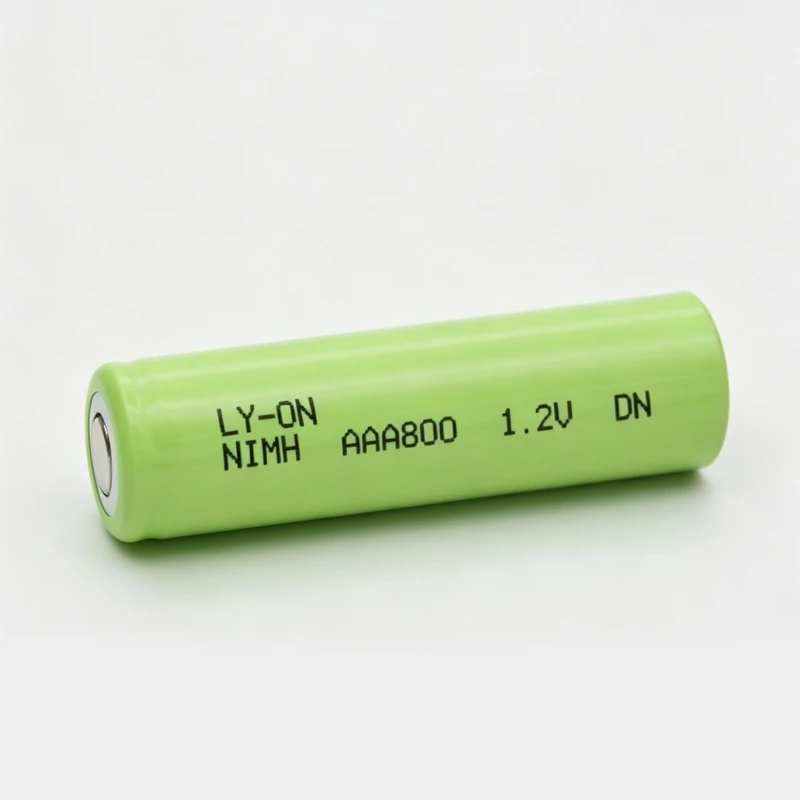
| AAA800 | 800 | 1.2 | 10.0 | 44.0 | 1C | 1C | 14 |
| AA1600 | 1600 | 1.2 | 14.0 | 50.0 | 1C | 5C | 27 |
| AA1800 | 1800 | 1.2 | 14.0 | 50.0 | 1C | 5C | 28 |
| AA2000 | 2000 | 1.2 | 14.0 | 50.0 | 1C | 1C | 29 |
| AA2100 | 2100 | 1.2 | 14.0 | 50.0 | 1C | 1C | 29 |
| AA2200 | 2200 | 1.2 | 14.0 | 50.0 | 0.5C | 1C | 29 |
| AA2300 | 2300 | 1.2 | 14.0 | 50.0 | 0.5C | 1C | 29 |
| AA2500 | 2500 | 1.2 | 14.0 | 50.0 | 0.5C | 1C | 32 |
| 4/5A2000 | 2000 | 1.2 | 16.5 | 42.5 | 1C | 3C | 30 |
| A2100 | 2100 | 1.2 | 16.5 | 49.5 | 1C | 5C | 35 |
| A2400 | 2400 | 1.2 | 16.5 | 49.5 | 1C | 5C | 36 |
| A2700 | 2700 | 1.2 | 16.5 | 49.5 | 1C | 1C | 38 |
| 4/3A2400 | 2400 | 1.2 | 16.5 | 67.0 | 1C | 5C | 48 |
| 4/3A3600 | 3600 | 1.2 | 16.5 | 67.0 | 1C | 5C | 54 |
| 4/3A3800 | 4000 | 1.2 | 16.5 | 67.0 | 1C | 5C | 56 |
| 18670A4200 | 3800 | 1.2 | 18.0 | 70.0 | 1C | 5C | 62 |
| SC2800 | 2800 | 1.2 | 22.5 | 42.5 | 1C | 5C | 57 |
| SC3000 | 3000 | 1.2 | 22.5 | 42.5 | 1C | 5C | 58 |
| SC3300 | 3300 | 1.2 | 22.5 | 42.5 | 1C | 5C | 60 |
| SC3500 | 3500 | 1.2 | 22.5 | 42.5 | 1C | 5C | 62 |
| SC4000 | 4000 | 1.2 | 22.5 | 42.5 | 1C | 5C | 65 |
| C4000 | 4000 | 1.2 | 25.5 | 49.5 | 1C | 5C | 80 |
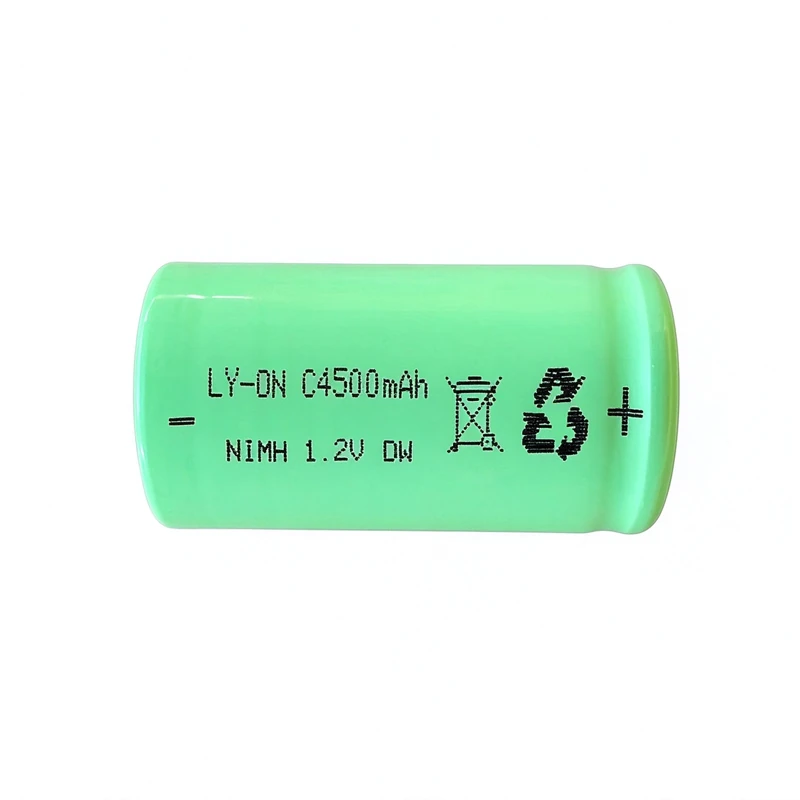
| C4500 | 4500 | 1.2 | 25.5 | 49.5 | 1C | 5C | 85 |
| D8000 | 8000 | 1.2 | 32.5 | 59.5 | 1C | 5C | 165 |
| D8500 | 8500 | 1.2 | 32.5 | 59.5 | 1C | 5C | 170 |
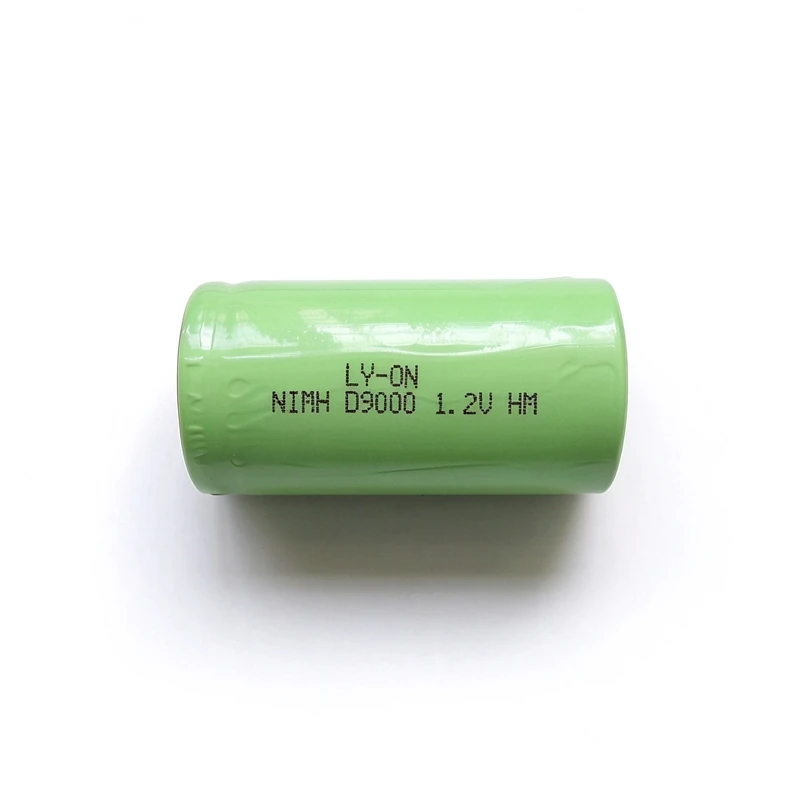
| D9000 | 9000 | 1.2 | 32.5 | 59.5 | 1C | 5C | 178 |
| F13000 | 13000 | 1.2 | 33.0 | 90.5 | 1C | 5C | 265 |
| F14000 | 14000 | 1.2 | 33.0 | 90.5 | 1C | 5C | 270 |
| F15000 | 15000 | 1.2 | 33.0 | 90.5 | 1C | 5C | 278 |
High Power Model: 1.2V, 10C-20C continuous discharge, 2000-7000mAh, sizes SC/C/D/18700; charge 0-40°C, discharge -20-50°C.
High Temperature Model: 1.2V, 0.2C-2C, 1200-9000mAh, sizes AA/A/SC/C/D/18700; charge 0-70°C, discharge -20-70°C.
Low Self-discharge Model: 1.2V, 0.2C-1C, 1600-10000mAh, sizes AA/A/SC/C/D/18700; more than 1000 cycles, 1%-2% self-discharge after one year.
Wide Temperature Model: 1.2V, 0.2C-2C, 600-9000mAh, sizes AA/AAA/SC/C/D/18700; discharge -40-85°C, more than 1000 cycles.
Applications
- Power tools
- Portable lamps
- Emergency lights
- Portable electronic devices
- Medical equipment
- Torches
Certifications
UL 2054: Household and Commercial Batteries. It is a safety standard covering household and commercial battery packs, electrical testing and mechanical assessment criteria. It evaluates primary and secondary batteries to minimize fire and explosion hazards. It applies to single-cell or multi-cell battery packs used in consumer electronics, medical devices, and power tools. This certification is widely required for battery products sold in the United States and Canada, helping products meet local market access and safety compliance requirements.
2014/35/EU: Directive 2014/35/EU, known as the Low Voltage Directive (LVD), establishes harmonised safety requirements for electrical equipment placed on the European Union market. The directive applies to electrical equipment designed for use with a rated voltage between 50 and 1000 volts alternating current (AC), or between 75 and 1500 volts direct current (DC). It should be noted that the voltage limits refer to the input/output rated voltage of finished equipment, rather than internal circuit voltages generated inside the equipment.
RoHS 2.0 (2011/65/EU) restricts hazardous materials, including lead, cadmium and mercury, in electrical and electronic equipment.
User Manual
- Only use dedicated Ni-MH battery chargers. Do NOT charge the battery with lithium-ion or NiCd chargers.
- Never overcharge or reverse-charge the battery. Smart chargers with -ΔV detection and temperature protection are recommended.
- Connect the cells in series to increase the operating voltage.
- A mild temperature rise during charging is normal. Stop charging immediately if the battery becomes overheated or swollen.
- Maintain the battery at 40%-60% state of charge (SoC) for long-term storage. Do not store it fully charged or fully depleted.
- Remove the batteries from the equipment if the device will not be used for an extended period.
- Store the batteries in a cool, dry and well-ventilated place at 5-25°C, away from direct sunlight, heat sources and humidity.
- Keep battery terminals clean and dry; moisture may cause leakage and terminal corrosion.
- If capacity decreases after long storage, perform 2-3 full charge-discharge cycles to restore performance.
- Replace the battery at the end of its cycle life or after severe capacity degradation.
FAQ
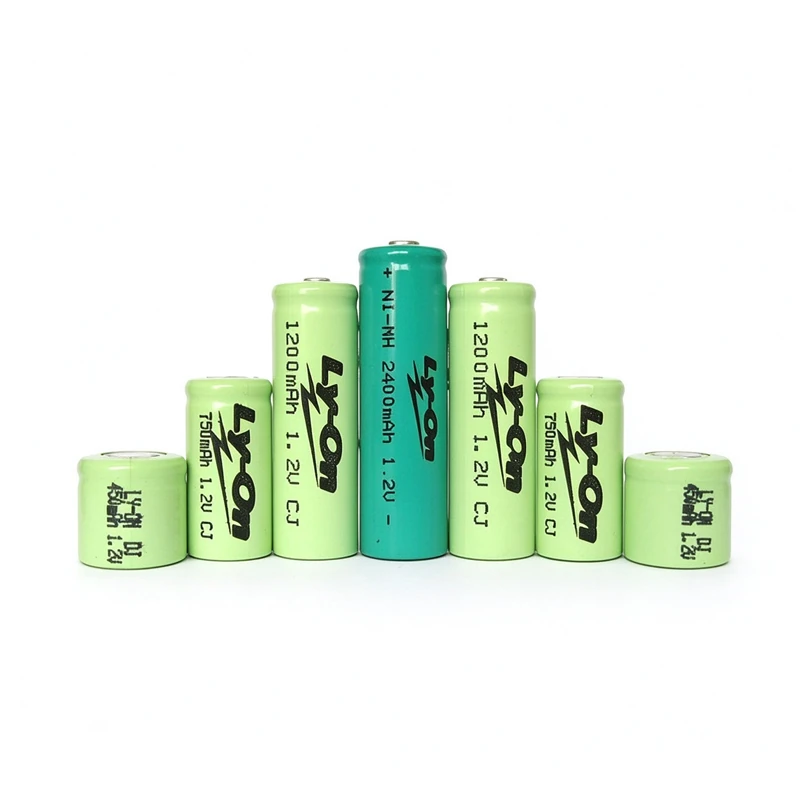
A: AAA 700-800mAh, AA 1600-2500mAh, A 2100-2700mAh, SC 2800-4000mAh, C 4000-4500mAh, D 8000-9000mAh and F 13000-15000mAh, all at 1.2V nominal.
A: Standard cells run 0.2C-2C discharge; high-power cells reach 10C-20C; high-temperature cells work up to 70°C charge and discharge; low-self-discharge cells lose 1%-2% per year; wide-temperature cells discharge from -40°C to 85°C.
A: Standard models charge at 0-40°C and discharge at -20-50°C. High-temperature models allow 0-70°C charge and -20-70°C discharge.
A: Yes. UL 2054, IEC 61951-2, RoHS 2.0 (2011/65/EU) and 2014/35/EU are quoted for this series.
A: NiMH chemistry can pass the ATEX test for underground applications, which is one reason it is preferred over Li-ion in mining equipment.
Explore More
Related Battery Products
Discover complementary products in our Li-Ion and energy storage lineup.
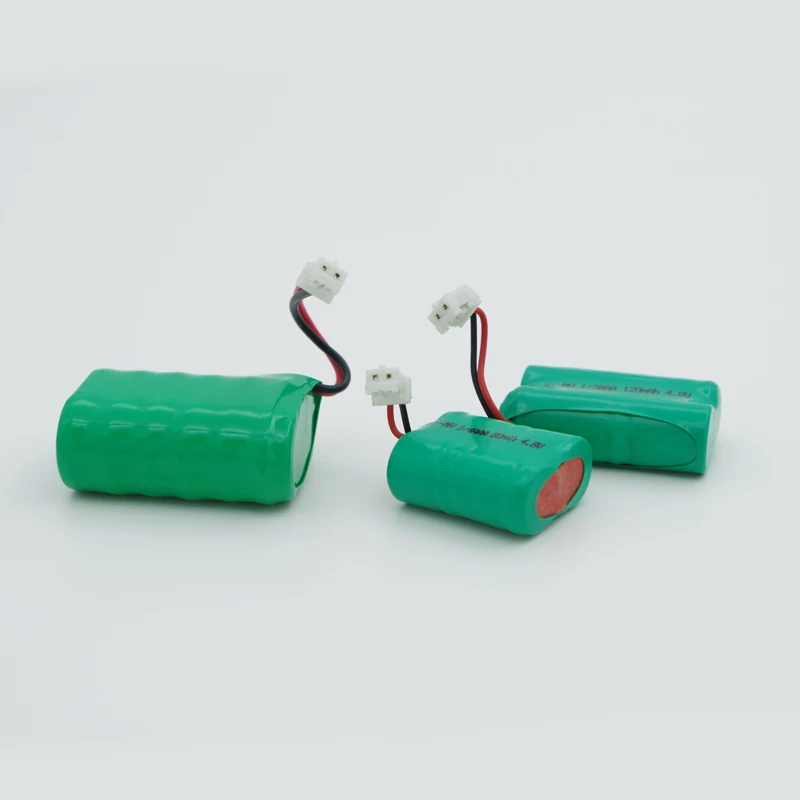
Nimh Battery
NIMH Button Cell 1.2V 20-330mAh Rechargeable Battery
NiMH button cells from B20 to B330, 1.2V and 20-330mAh, in button shapes for telecom equipment,…
View Details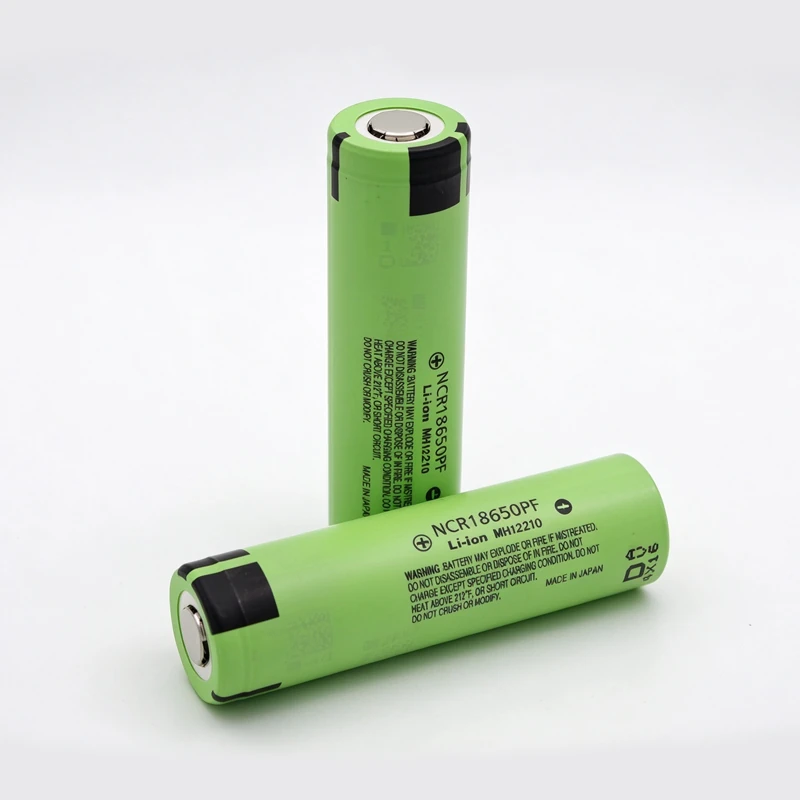
Li-ion Battery
Li-ion High Capacity 3.6V 750-5000mAh Rechargeable Battery
Li-ion energy cells in ICR14500, INR18650, NCR18650, INR26650 and INR21700 sizes, 3.6V and 750-5000mAh, with 1000-2000…
View Details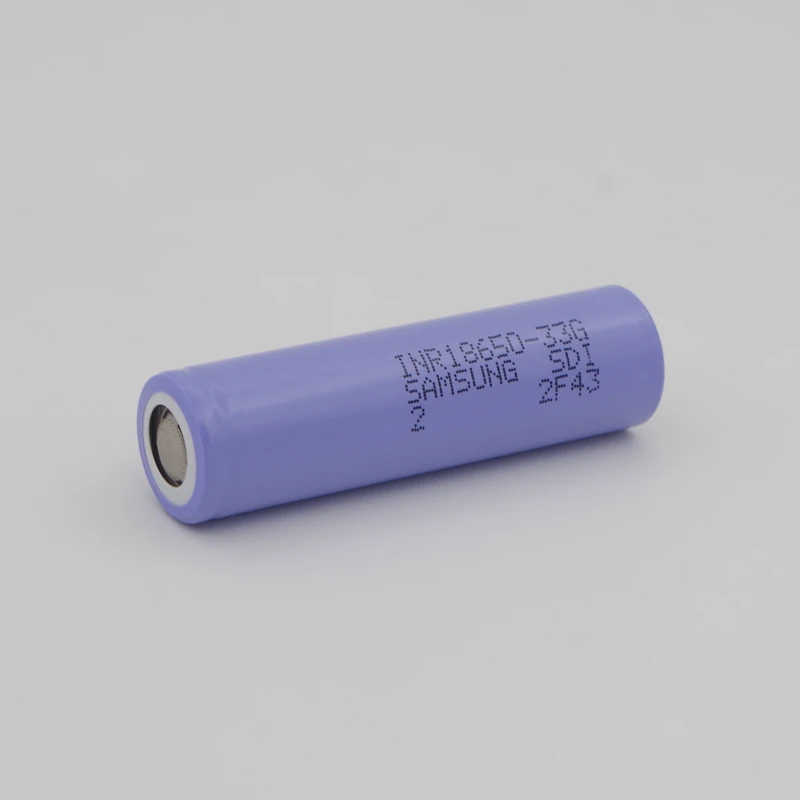
Li-ion Battery
Li-ion High Power 3.6V 1500-4500mAh Rechargeable Battery
Li-ion power cells INR18650P/R/H and INR21700R/P, 3.6V and 1500-4500mAh, with 1-3C charge and 3C-10C discharge for…
View Details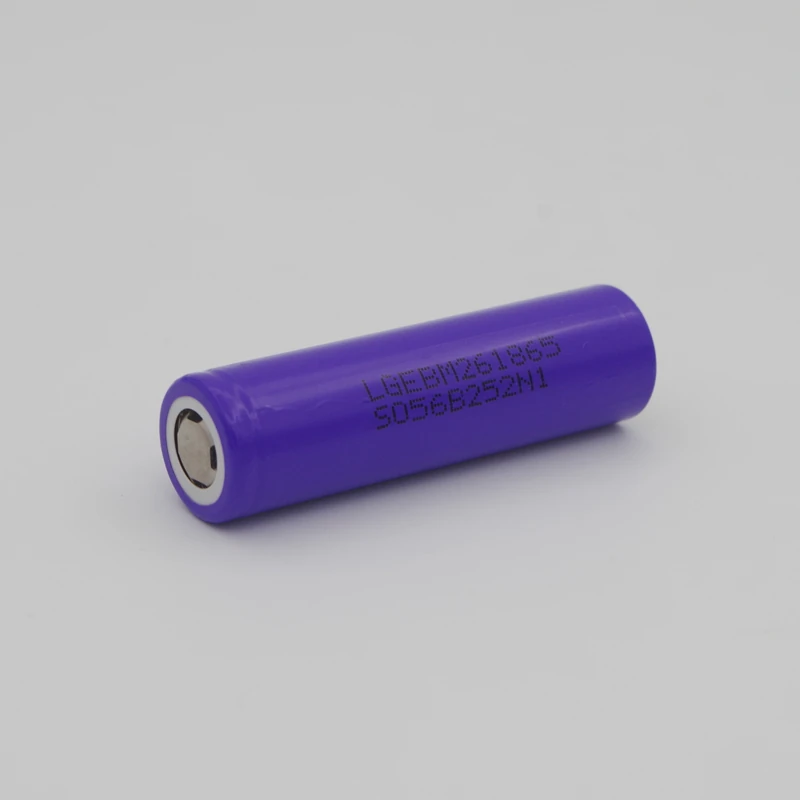
Li-ion Battery
Li-ion Low Temp 3.6V 2000-4500mAh Rechargeable Battery
Li-ion low temperature cells INR18650L/A/M and INR21700A/B, 3.6V and 2000-4500mAh, discharging from -40°C to 60°C without…
View Details