Small Volume
Miniature button and curved cells fit tightly into space-constrained wearable enclosures.


Small, light and shape-flexible cells engineered for the next generation of wearable devices.
Miniature button and curved cells fit tightly into space-constrained wearable enclosures.
Low-mass cells help keep smart rings, watches and glasses comfortable all day.
Stable chemistry and careful assembly support long service life in daily wear.
Dimensions, capacity and connectors can be customized to your mechanical design.
Semi-automatic and fully automatic lines support both sampling and volume production.
Proven in smart rings, watches, earphones, glasses, heat-clothes and medical wearables.
Select a cell below to view its dimensions, capacity and charge voltage.
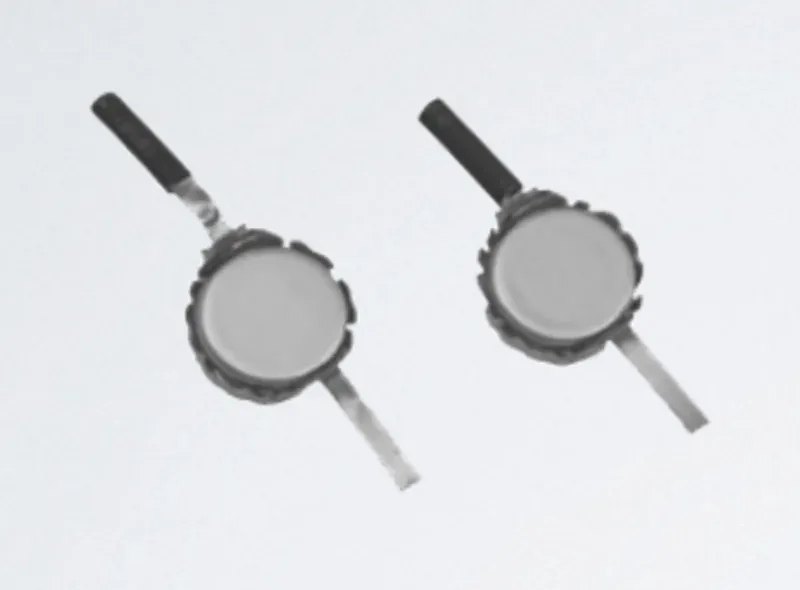
| Battery Type | Button Li-Polymer |
|---|---|
| Model | R1054 |
| Dimension | Φ10.1 × 5.4 mm |
| Rated Capacity | 40mAh |
| Rated Voltage | 3.8V |
| Max. Charge Voltage | 4.35V |
| Applied Temperature | Charging 0~45°C · Discharging -20~60°C |
| Storage | -20~25°C for 1 year / -20~35°C for 3 months / -20~45°C for 1 month |
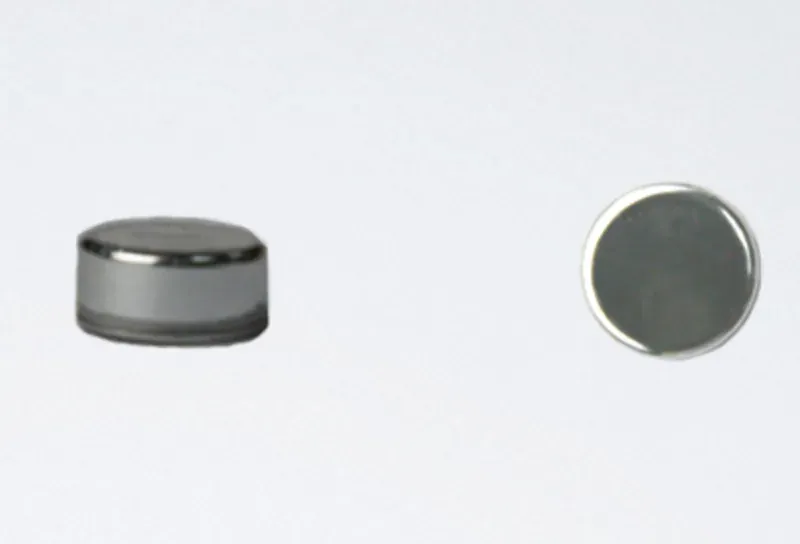
| Battery Type | Button Li-Polymer |
|---|---|
| Model | R1254 |
| Dimension | Φ12.05 × 5.6 mm |
| Rated Capacity | 55mAh |
| Rated Voltage | 3.7V |
| Max. Charge Voltage | 4.2V |
| Applied Temperature | Charging 0~45°C · Discharging -20~60°C |
| Storage | -20~25°C for 1 year / -20~35°C for 3 months / -20~45°C for 1 month |
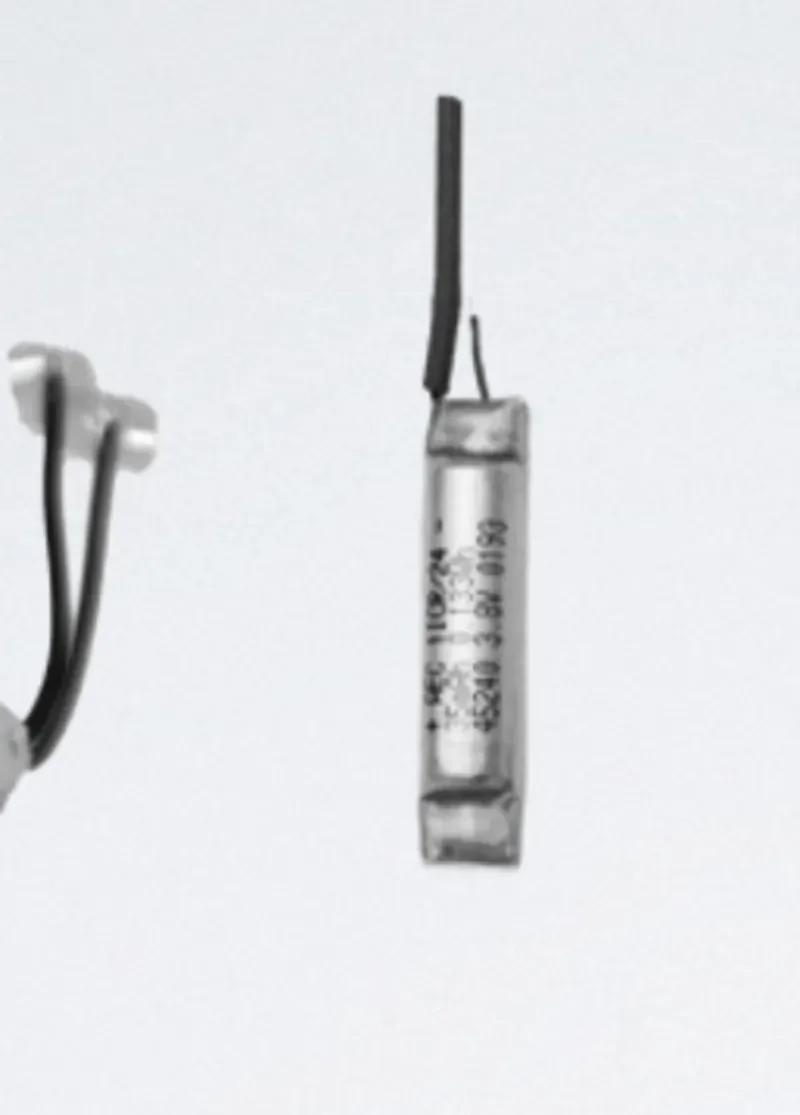
| Battery Type | Cylindrical Li-Polymer |
|---|---|
| Model | 45240 |
| Dimension | Φ4.8 × 23.0 mm |
| Rated Capacity | 35mAh |
| Rated Voltage | 3.8V |
| Max. Charge Voltage | 4.35V |
| Applied Temperature | Charging 0~45°C · Discharging -20~60°C |
| Storage | -20~25°C for 1 year / -20~35°C for 3 months / -20~45°C for 1 month |
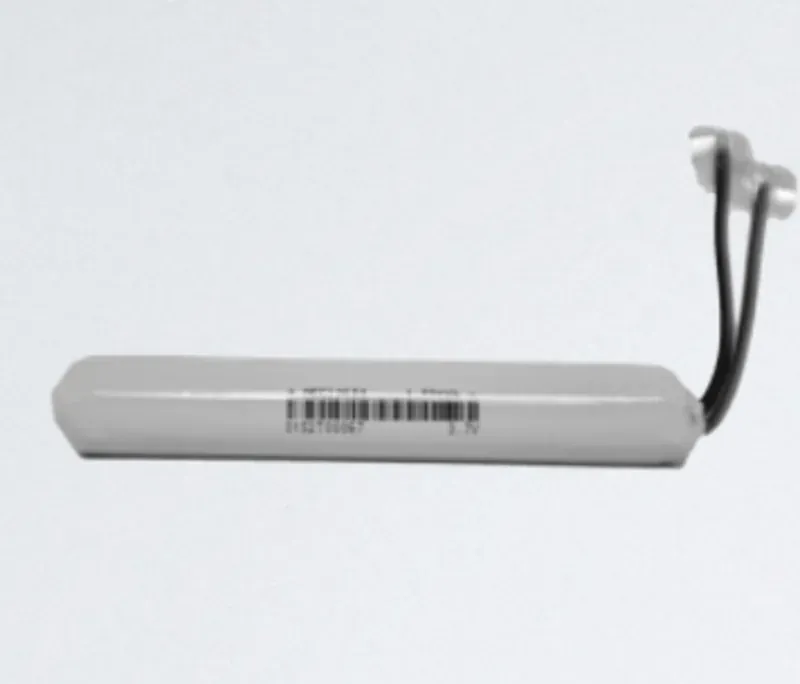
| Battery Type | Cylindrical Li-Polymer |
|---|---|
| Model | 10650 |
| Dimension | Φ9.48 × 63.5 mm |
| Rated Capacity | 430mAh |
| Rated Voltage | 3.7V |
| Max. Charge Voltage | 4.2V |
| Applied Temperature | Charging 0~45°C · Discharging -20~60°C |
| Storage | -20~25°C for 1 year / -20~35°C for 3 months / -20~45°C for 1 month |
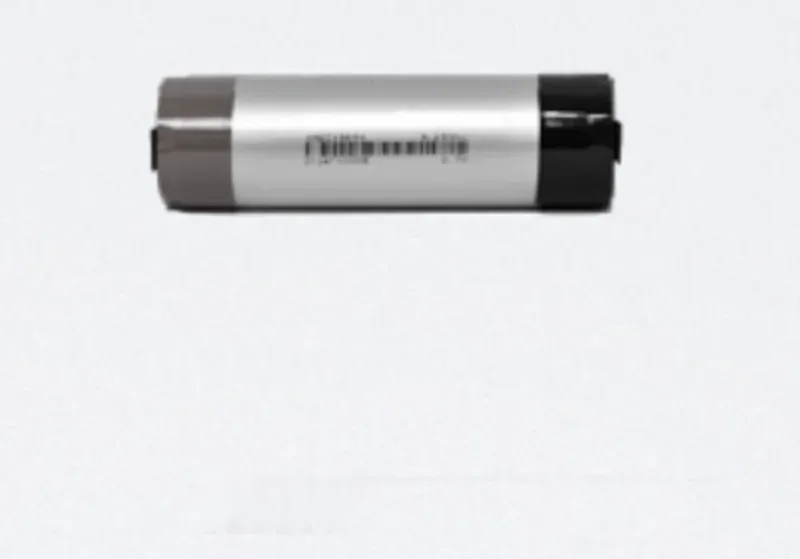
| Battery Type | Cylindrical Li-Polymer |
|---|---|
| Model | 19650 |
| Dimension | Φ19.0 × 64.7 mm |
| Rated Capacity | 2250mAh |
| Rated Voltage | 3.7V |
| Max. Charge Voltage | 4.2V |
| Applied Temperature | Charging 0~45°C · Discharging -20~60°C |
| Storage | -20~25°C for 1 year / -20~35°C for 3 months / -20~45°C for 1 month |
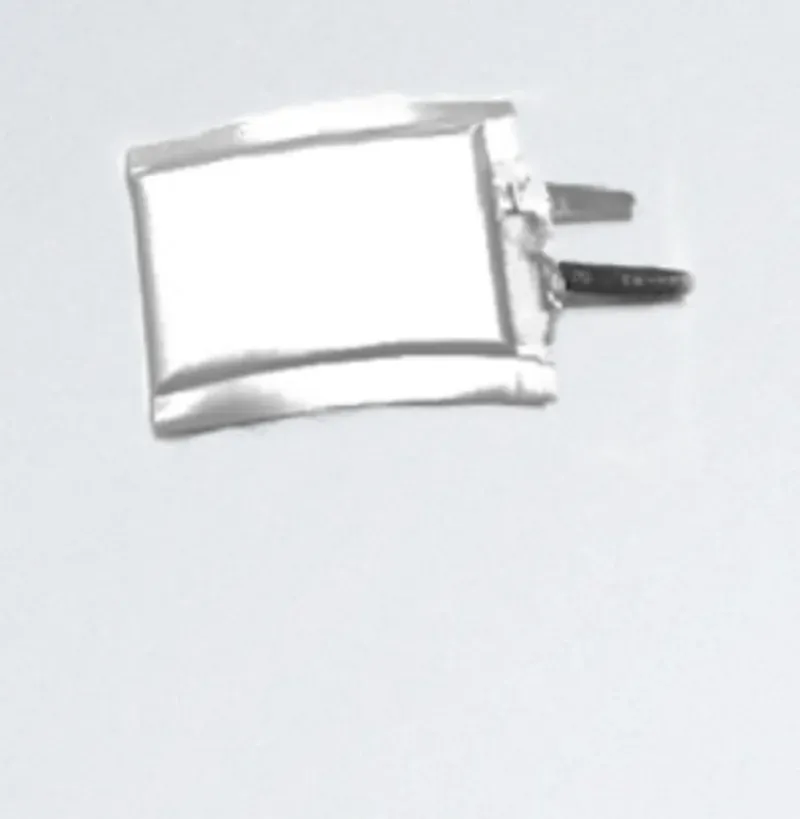
| Battery Type | Curved Li-Polymer |
|---|---|
| Model | 221930 |
| Dimension | 2.18 × 19.0 × 30.0 mm |
| Rated Capacity | 120mAh |
| Rated Voltage | 3.84V |
| Max. Charge Voltage | 4.35V |
| Applied Temperature | Charging 0~45°C · Discharging -20~60°C |
| Storage | -20~25°C for 1 year / -20~35°C for 3 months / -20~45°C for 1 month |
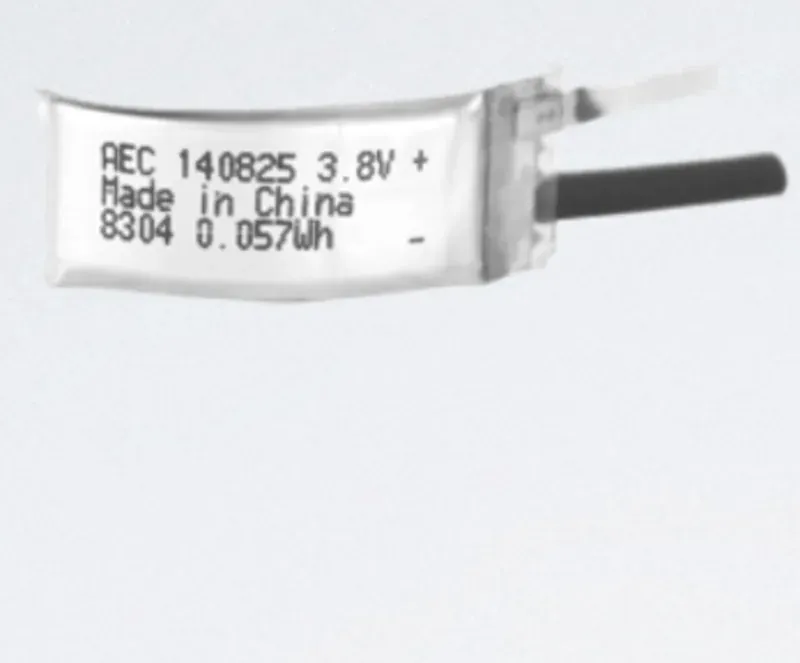
| Battery Type | Curved Li-Polymer |
|---|---|
| Model | 140825 |
| Dimension | 1.35 × 8.1 × 26.1 mm |
| Rated Capacity | 15mAh |
| Rated Voltage | 3.84V |
| Max. Charge Voltage | 4.35V |
| Applied Temperature | Charging 0~45°C · Discharging -20~60°C |
| Storage | -20~25°C for 1 year / -20~35°C for 3 months / -20~45°C for 1 month |
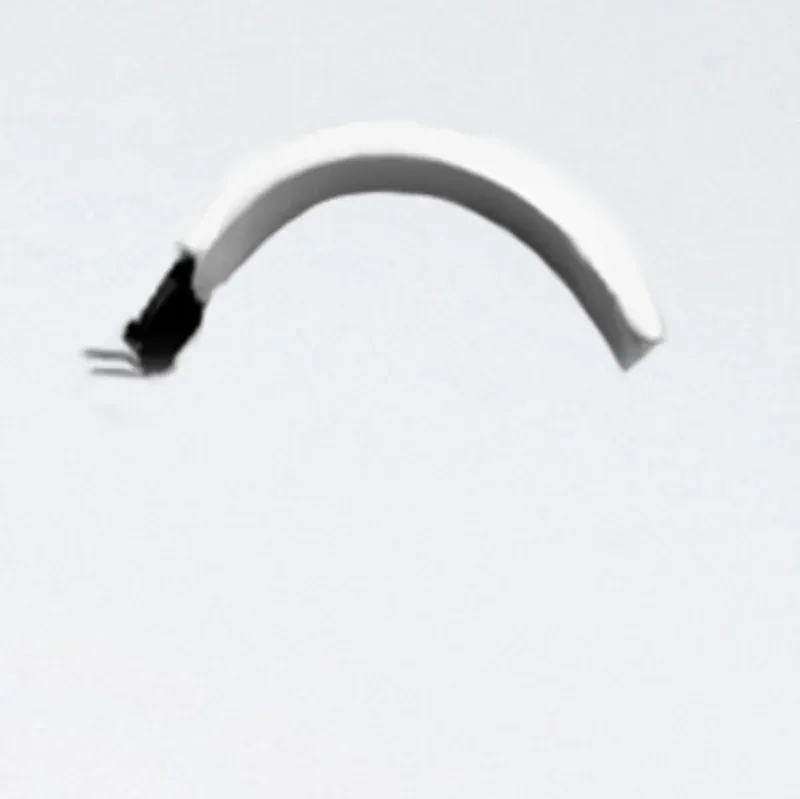
| Battery Type | Curved Li-Polymer |
|---|---|
| Model | 251343 |
| Dimension | 2.5 × 13.0 × 42.7 mm |
| Rated Capacity | 90mAh |
| Rated Voltage | 3.7V |
| Max. Charge Voltage | 4.2V |
| Applied Temperature | Charging 0~45°C · Discharging -20~60°C |
| Storage | -20~25°C for 1 year / -20~35°C for 3 months / -20~45°C for 1 month |
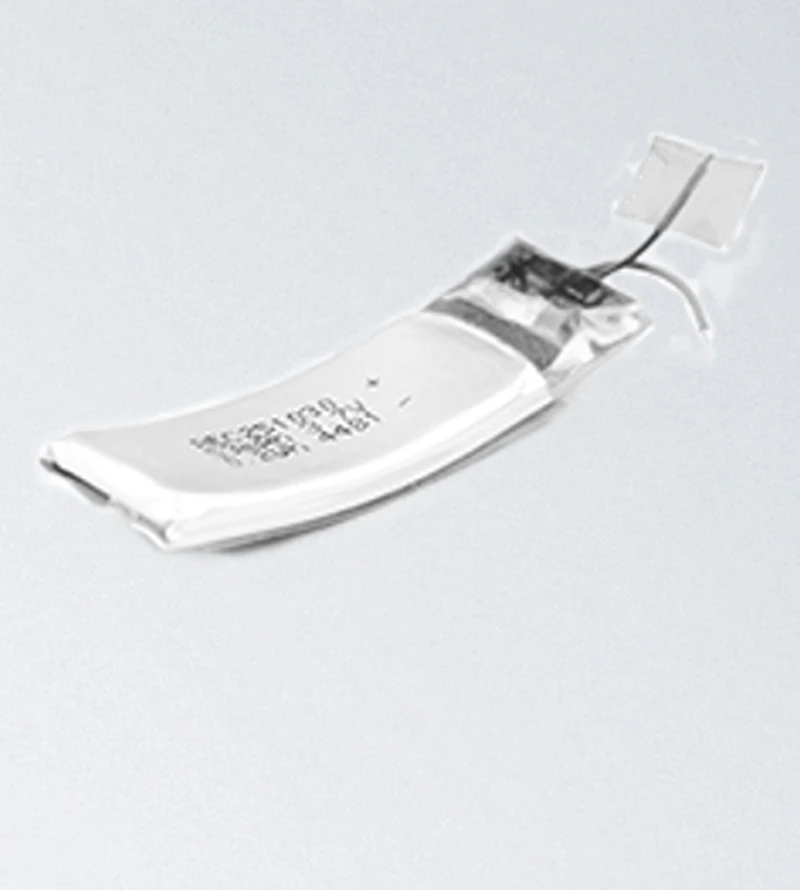
| Battery Type | Curved Li-Polymer |
|---|---|
| Model | 330926 |
| Dimension | 3.56 × 9.4 × 26.2 mm |
| Rated Capacity | 55mAh |
| Rated Voltage | 3.7V |
| Max. Charge Voltage | 4.2V |
| Applied Temperature | Charging 0~45°C · Discharging -20~60°C |
| Storage | -20~25°C for 1 year / -20~35°C for 3 months / -20~45°C for 1 month |
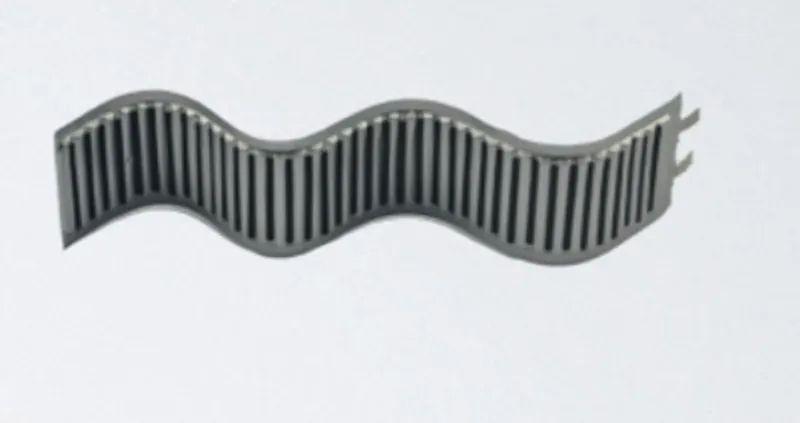
| Battery Type | Bendable / Flexible Li-Polymer |
|---|---|
| Model | 2826180 |
| Dimension | 3.0 × 28.0 × 182.0 mm |
| Rated Capacity | 380mAh |
| Rated Voltage | 3.7V |
| Max. Charge Voltage | 4.2V |
| Applied Temperature | Charging 0~45°C · Discharging -20~60°C |
| Storage | -20~25°C for 1 year / -20~35°C for 3 months / -20~45°C for 1 month |
Custom Li-polymer cells for compact, curved and bendable product designs.
Wearable cells and packs are tested to the following international standards.
A closer look at the safety and transport standards for wearable Li-polymer cells.
Safety requirements for portable sealed secondary lithium cells and batteries. It specifies tests for safe operation under intended use and reasonably foreseeable misuse and is the necessary certification for selling lithium batteries in the EU region for cells and packs under 60 VDC.
Covers rechargeable lithium-ion cells and battery packs used as a power supply in products, focusing on electrical, mechanical and thermal safety tests.
UN Manual of Tests and Criteria, Section 38.3. All lithium batteries shipped by air, sea or land must carry the relevant test report and certification. Cells and packs belong to UN3480; batteries installed in a device are packaged under UN3481.
The EU New Battery Regulation defines battery categories and compliance duties across the lifecycle. RoHS 2.0 (2011/65/EU) restricts lead, cadmium and mercury in electrical goods.
Important operating and safety instructions. Please read carefully before installation and use.
Special design on the basis of the applied device, including the BMS part.
Use only qualified equipment for battery charging and discharging, and strictly follow the official operating instructions.
Li-polymer cells must be equipped with a protective PCM (Protection Circuit Module). Select a suitable PCM according to the battery working voltage and pulse current. The PCM shall at least support over-charge voltage protection, over-discharge voltage protection and over-current protection.
Do not mix batteries of different models or batteries from different manufacturers.
Do not use new and old batteries in combination.
Do not charge or discharge batteries that are overheated, swollen, deformed or suffering from electrolyte leakage.
Avoid overcharging or over-discharging the battery during use.
Do not short-circuit the positive and negative terminals with any metal conductors.
Do not pierce, strike, trample, fold or violently impact the batteries with metal tools or by any other means.
Do not place, charge or operate the battery inside vehicles or confined spaces where the ambient temperature may exceed 60°C.
Do not reverse-charge the battery.
Do not disassemble or modify the battery, including its internal circuitry.
Do not use damaged batteries, including units with broken sealing edges, damaged outer PVC casings or electrolyte leakage. If the battery generates abnormal heat during operation, stop charging and discharging immediately.