
18650 and 21700 Battery Pack Assembly Line Solutions
Overview of Cylindrical Battery Pack Assembly
The market for 18650 and 21700 battery pack assembly lines represents a mature, standardized, yet rapidly advancing equipment sector. The sustained expansion of industries such as cordless power tools, portable energy storage systems, light electric mobility, industrial automation, and medical devices continues to drive global demand for cylindrical lithium-ion modules.
Modern assembly operations must balance high volumetric throughput with stringent production quality. Global battery regulations—including EU Regulation 2023/1542, UL standards, and UN38.3 transport safety mandates—are pushing manufacturing facilities to integrate automated inspection, inline parameter verification, and digital traceability across every workstation.
High-performance production lines prioritize cell consistency, welding reliability, finished pack yield rates, and electrostatic discharge protection. The industry standard has shifted decisively toward flexible, modular architectures that enable fast changeovers between 18650 and 21700 cell formats, integrated Manufacturing Execution Systems (MES) for full-lifecycle traceability, automated visual inspection, and continuous safety interlocks.
Core Technical Features
Automated Cell Sorting and High-Precision Matching
The operational life and thermal stability of a cylindrical battery pack depend directly on the consistency of its constituent cells. Automated sorting equipment utilizes four-wire Kelvin sensing to measure Open-Circuit Voltage (OCV) and Alternating Current Internal Resistance (AC-IR) at high speeds.
Cells are dynamically categorized into multiple predefined tolerance grades. By ensuring minimal voltage variance and internal resistance spread across the parallel and series groups, the system prevents localized heat concentration, eliminates premature capacity degradation, and ensures balanced cell degradation over extended duty cycles.
High-Precision Spot and Laser Welding Technology
Interconnection integrity is critical for low resistance and mechanical durability under vibration:
- Dual-pulse inverter DC resistance welders or fiber laser welding stations provide clean, reliable metallurgical bonds between cell terminals and nickel or copper-nickel composite busbars.
- Integrated CCD optical alignment automatically detects cell center coordinates, dynamically compensating for fixture positioning tolerances to prevent edge-burn or terminal puncture.
- Real-time electrical waveform feedback monitors weld current, voltage, and displacement, flagging abnormal events such as cold joints, pseudo-welding, or excessive spatter instantly.
BMS Integration and Protocol Calibration
Battery Management System (BMS) integration bridges physical cell arrays with digital protection and communication logic:
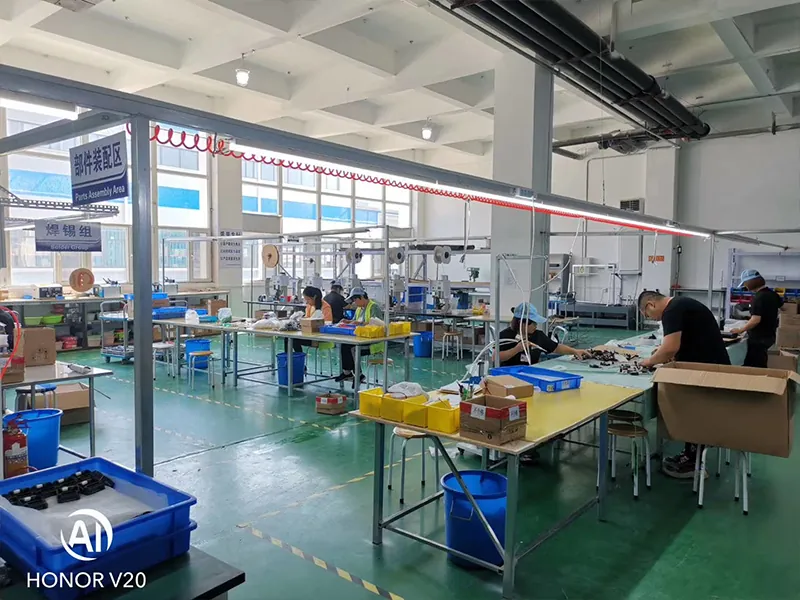
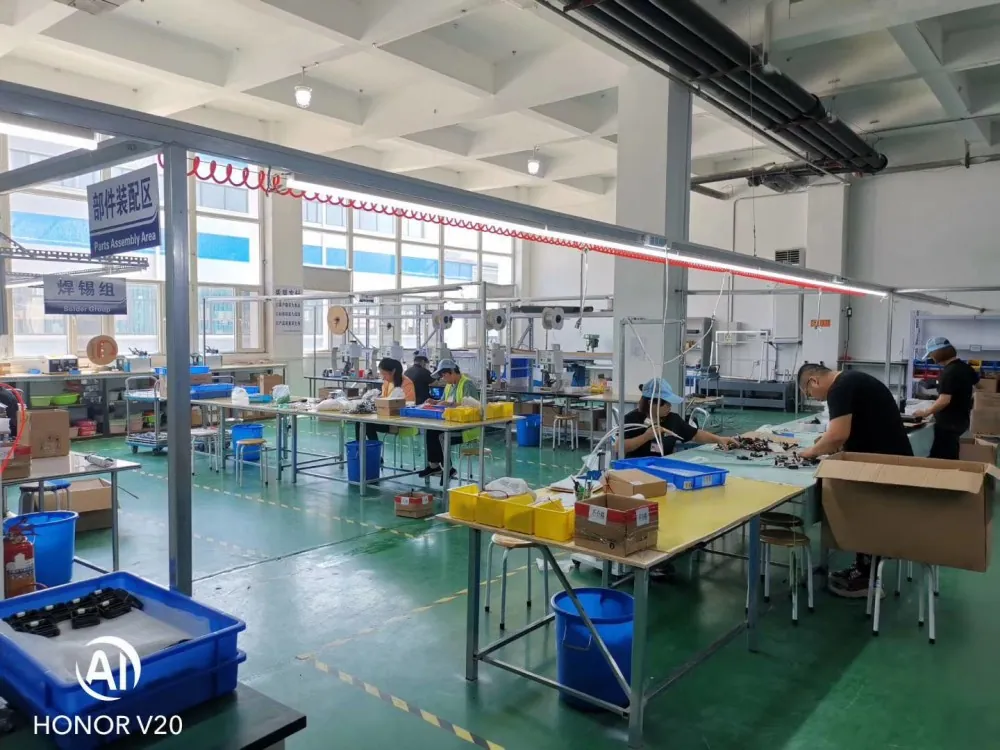
- Workstations provide controlled solder wire feeding and automated crimping for balance leads, high-current busbars, and negative temperature coefficient (NTC) thermistors.
- Communication testing interfaces calibrate analog front-end measurements, verifying real-time cell voltage readings, total pack voltage, and temperature sensor accuracy.
- Firmware configuration and communication bus validation support standard industrial and commercial protocols, including SMBus, I2C, HDQ, CANbus, and RS485.
End-of-Line Safety and Electrical Performance Testing
Final pack verification ensures zero-defect delivery before packaging:
- Automated test stations execute dynamic charge-discharge sequences to assess voltage sag, internal resistance, and continuous high-rate current discharge performance.
- Dielectric withstand (Hi-Pot) and insulation resistance testing verify complete electrical isolation between internal live components and external casings or brackets.
- Safety cutoff emulation checks BMS response times during over-voltage, under-voltage, short-circuit, and high-temperature scenarios.
Complete Manufacturing Workflow
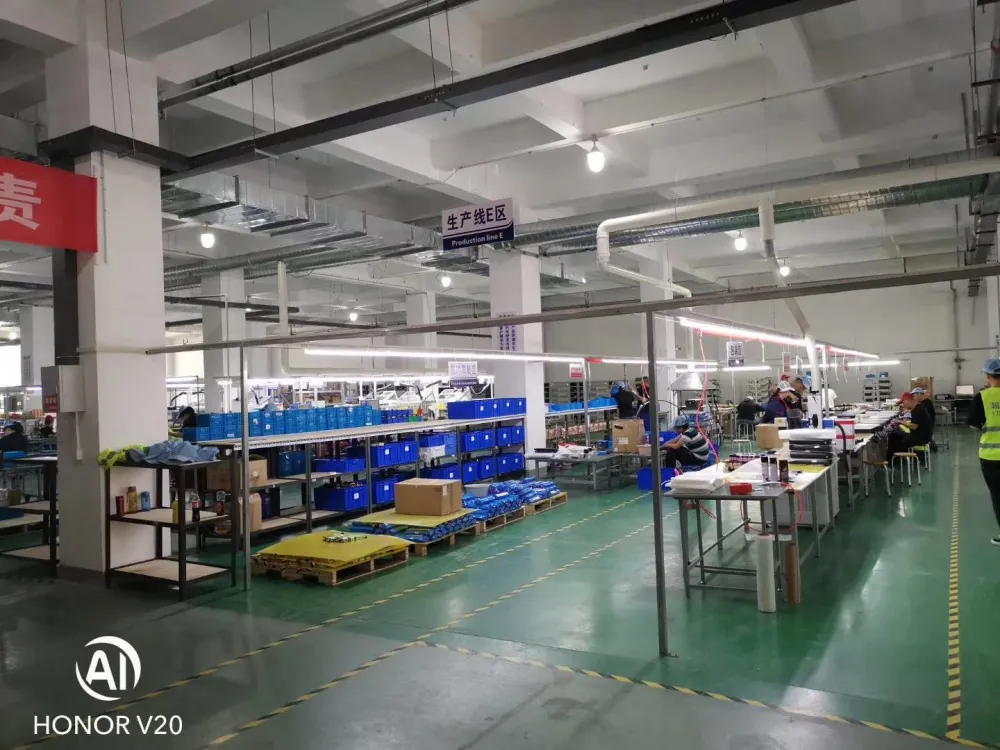
1. Accessories Assembly
Structural preparation begins with the sub-assembly of pack enclosures, fire-retardant ABS or polycarbonate cell spacing brackets, nickel current collectors, and structural dampening pads. Precision guide pins and automated pick-and-place fixtures ensure dimensional accuracy prior to cell loading.
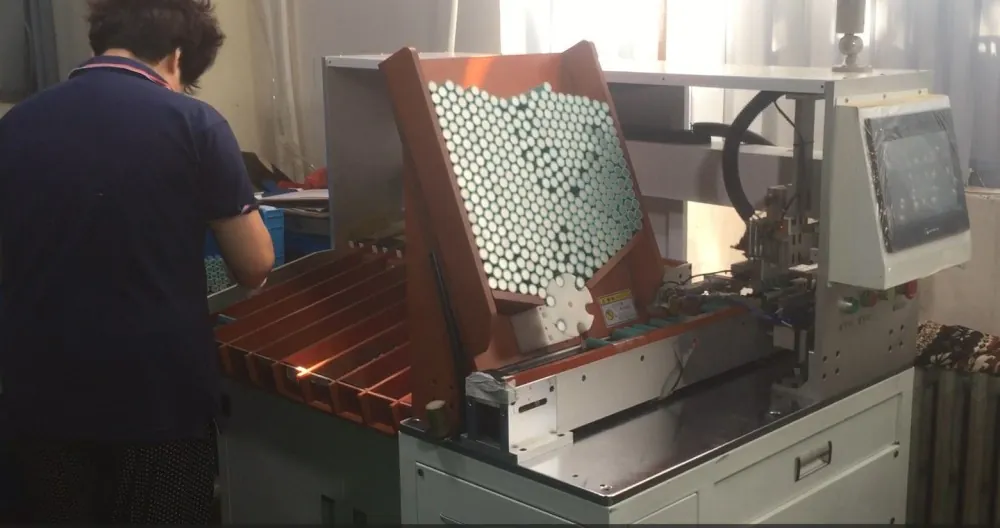
2. Cell Sorting
Raw 18650 or 21700 cells are loaded via vibrating bowl or automated hopper into the testing station. The system scans the individual cell matrix barcode, measures OCV and AC-IR, records data directly to the local MES server, and sorts cells into designated sorting bins via mechanical diverters.
3. Cell Sticking (Terminal Insulation)
Cells passing sorting are transferred to the automated insulation ring pasting station. High-temperature-resistant barley paper or fish paper insulation washers are applied concentrically to the positive (+) terminals. An inline optical sensor inspects washer placement to verify centered adherence, preventing positive-negative short circuits during busbar placement.
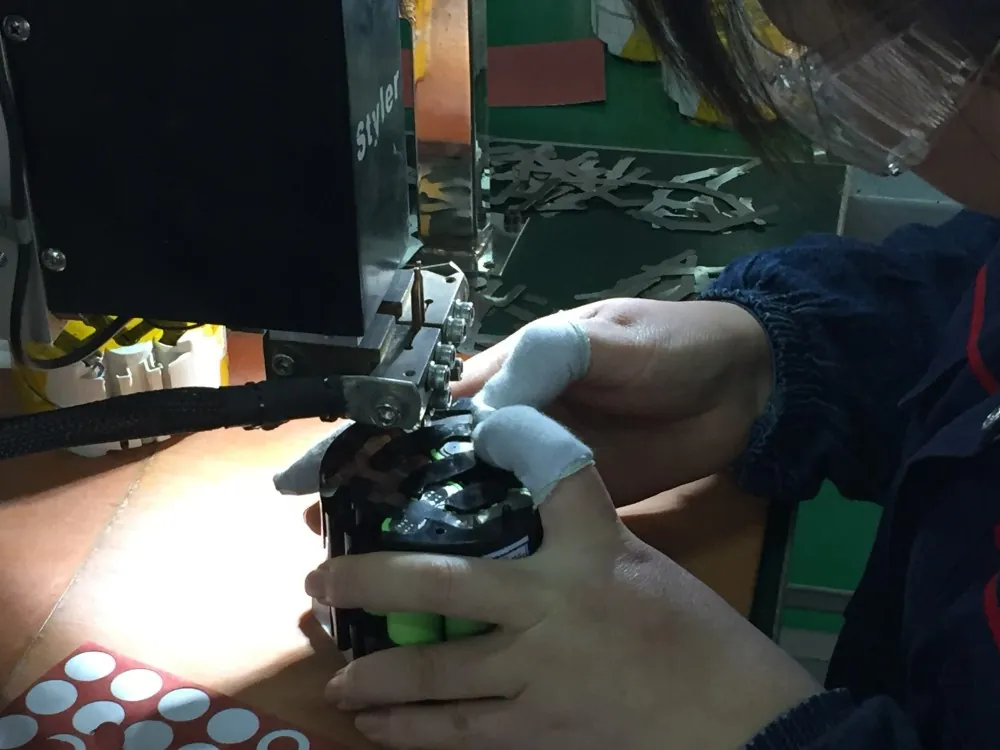
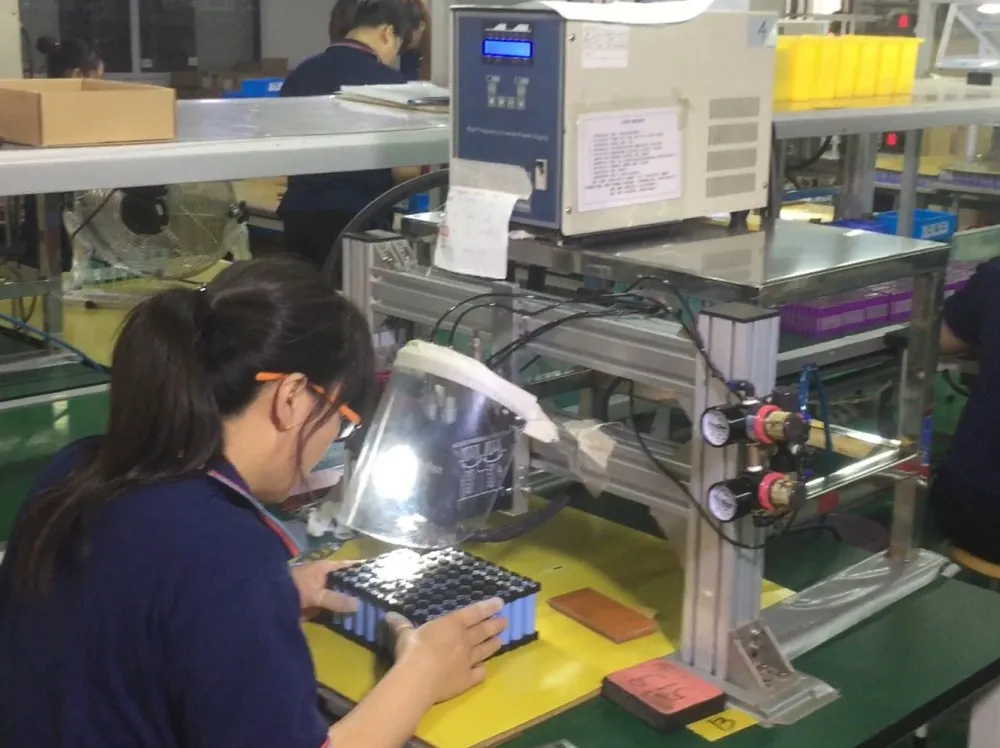
4. BMS and Wire Welding on the Pack
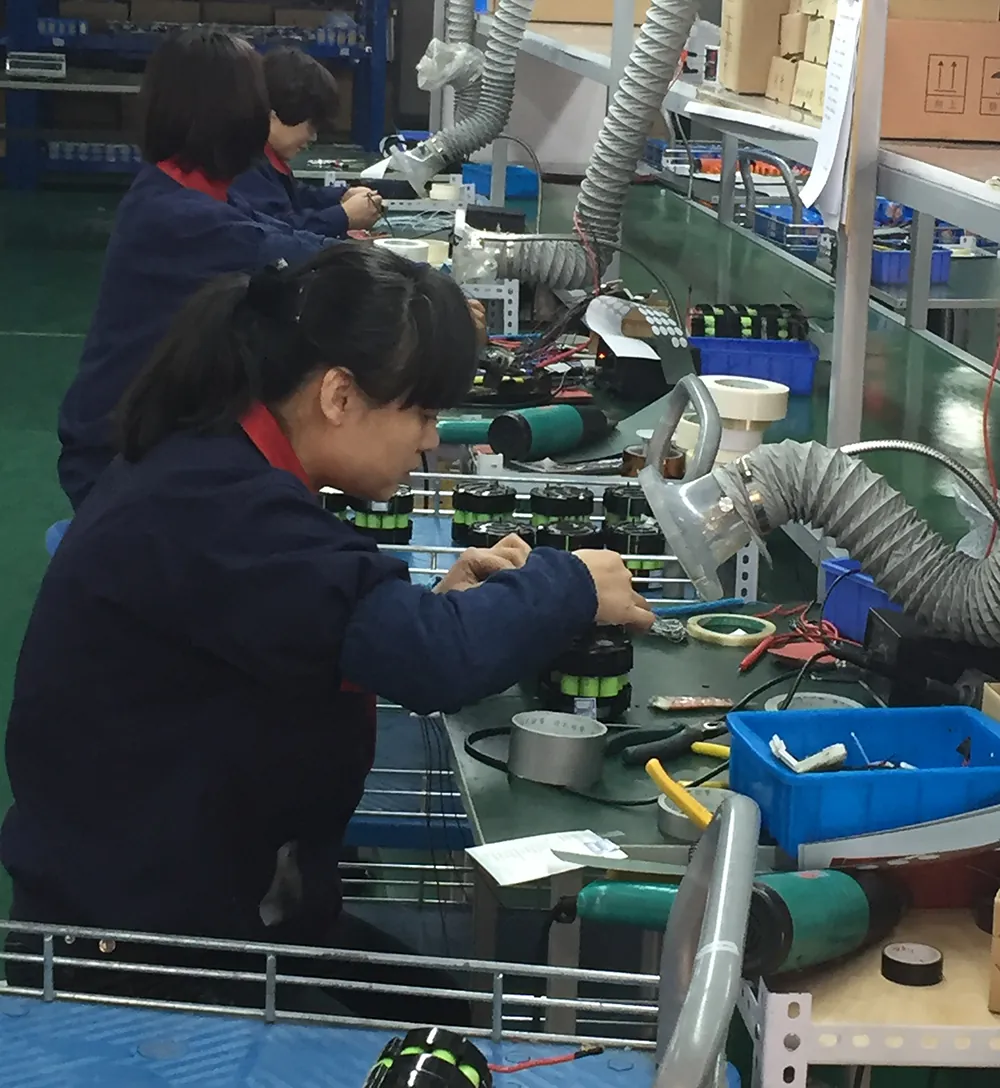
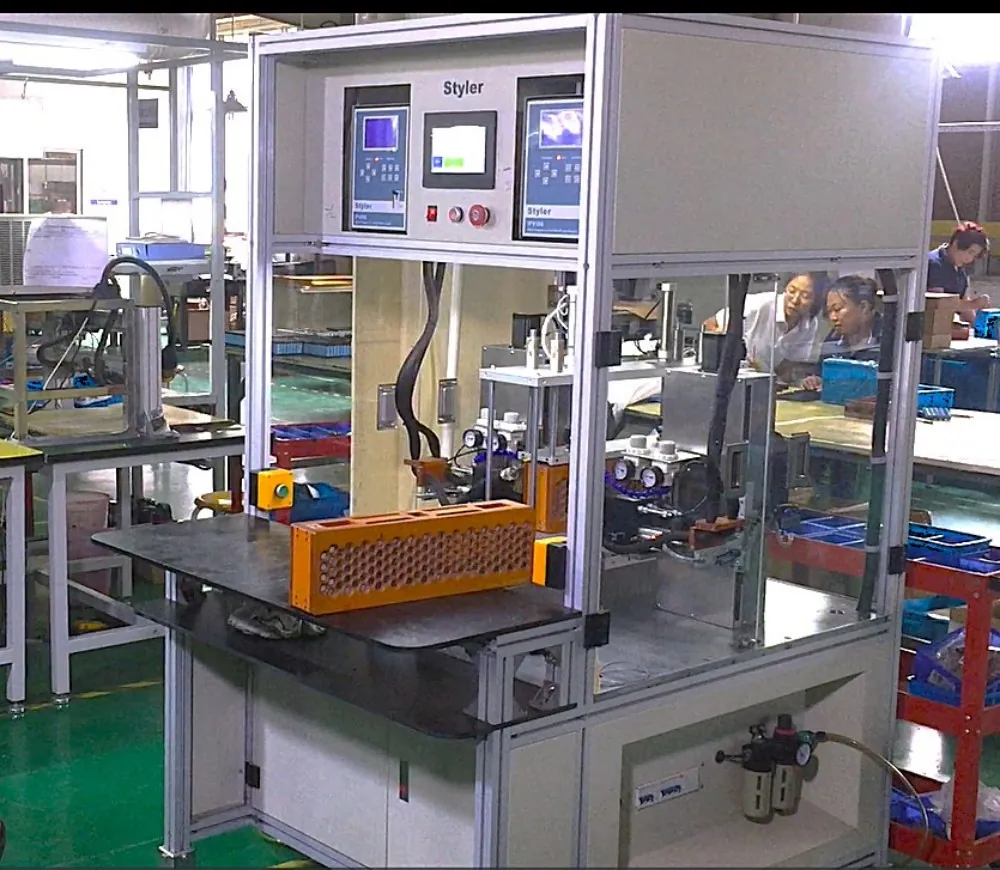
Sorted and insulated cells are inserted into engineered matrix holders according to the target series-parallel configuration. Nickel or composite busbars are positioned and joined using automated micro-spot welding or fiber laser welding heads.
Following busbar welding, the BMS board is mounted. Balance leads, communication cables, and primary discharge leads are routed, soldered, or laser-welded with precise thermal control to avoid thermal transfer into the underlying cells.
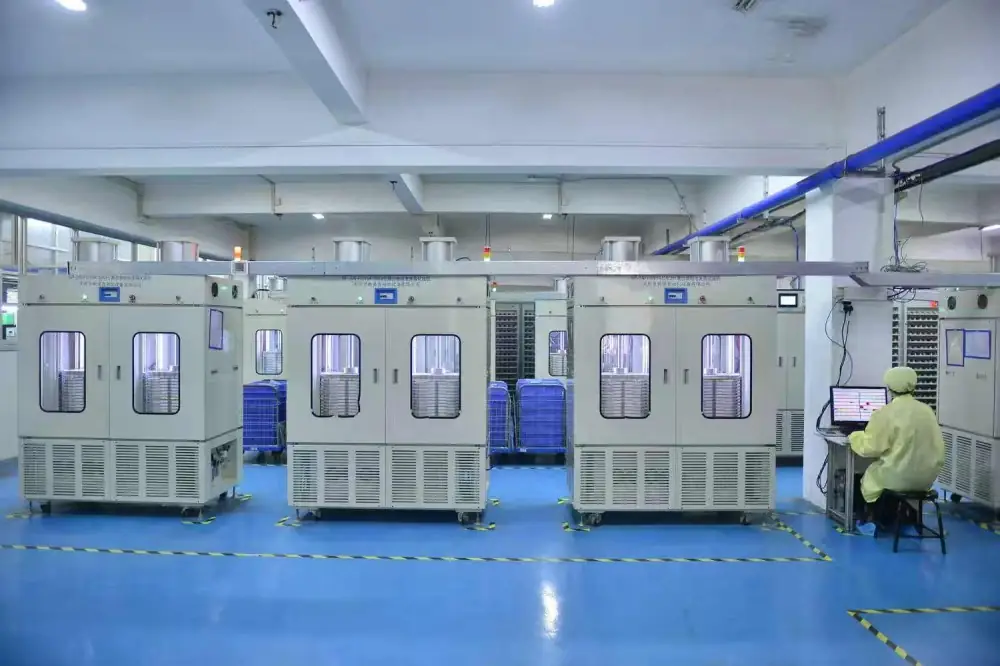
5. Battery Pack Aging
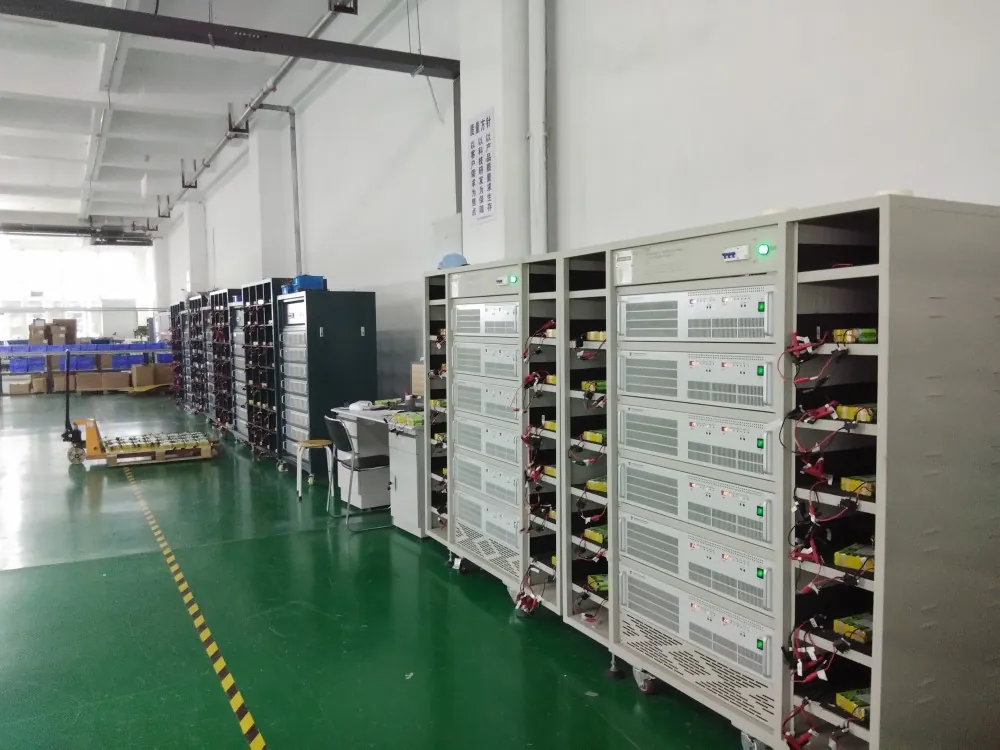
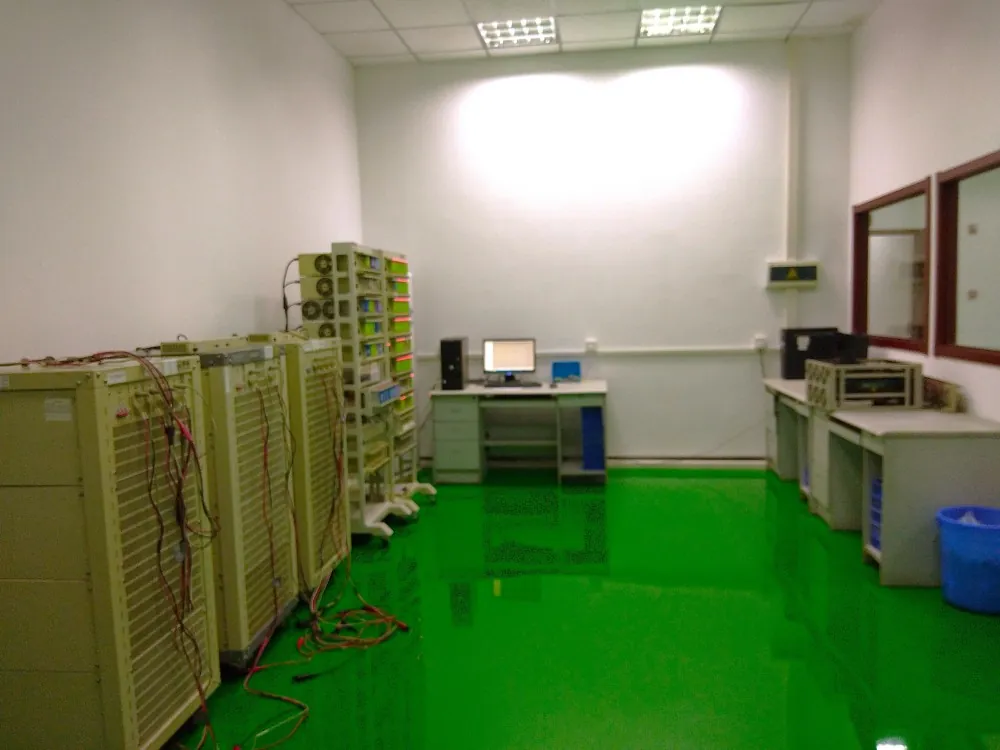
Semi-finished assemblies undergo computer-controlled charge and discharge aging cycles. This conditioning process stabilizes the chemical interfaces, measures actual usable capacity, monitors thermal variance across individual modules, and exposes latent manufacturing defects such as loose connections or defective cell groupings.
6. Final Assembly
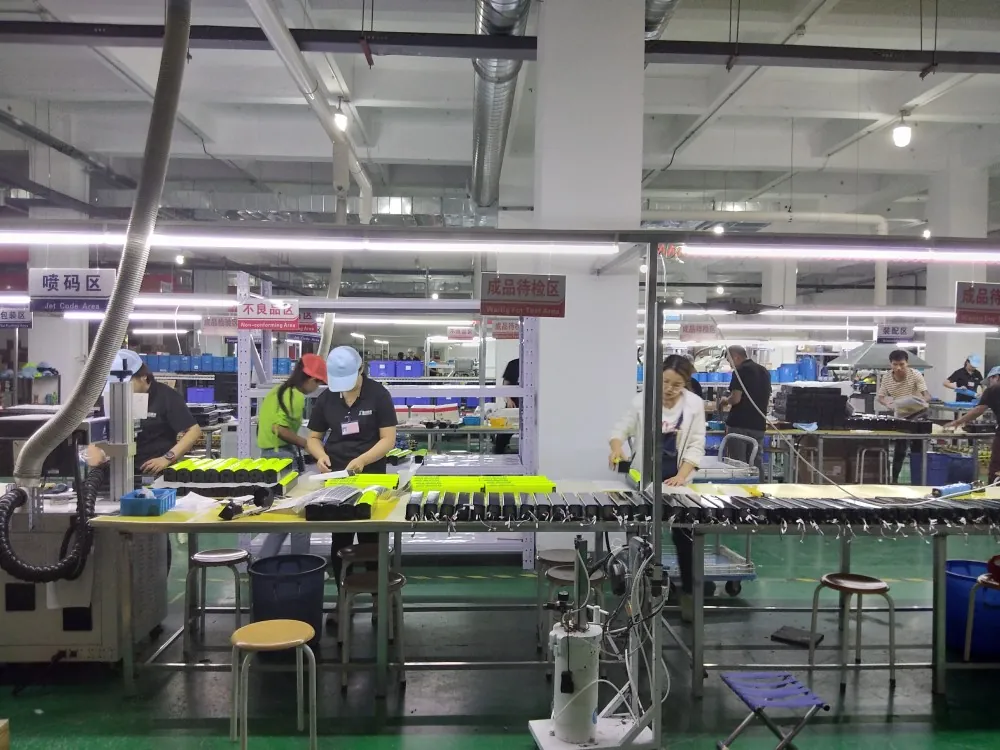
The aged pack proceeds to final enclosure installation. Thermal interface materials or silicone potting compounds are applied where required for thermal dissipation and ingress protection. The external housing is sealed using screw fastenings or ultrasonic welding, followed by final product labeling and packaging.
Comprehensive Quality Inspection Process
1. Cell-Level Incoming Inspection
Prior to assembly, bare cells undergo physical and electrical validation:
- Mechanical inspection verifies diameter, height, can wall uniformity, and terminal cleanliness.
- Electrical testing validates initial state of charge, open-circuit voltage stability, internal resistance limits, and external casing leakage current.
2. BMS Board-Level Inspection
Before installation onto cell matrices, BMS circuit boards undergo functional testing:
- Verification of static power consumption in sleep and operational modes.
- Overcharge, overdischarge, overcurrent, and temperature protection thresholds are tested against simulated load conditions.
- Active or passive cell balancing circuitry is checked for proper current dissipation.
3. Final Battery Pack Inspection
The completed pack undergoes comprehensive End-of-Line (EOL) evaluation:
- Complete functional testing under load to confirm voltage, capacity, and power delivery curves.
- Multi-channel thermal mapping during sustained discharge to confirm even temperature distribution.
- High-potential (Hi-Pot) leakage testing between terminals and structural ground points.
- Data verification ensuring that cell serial numbers, inspection records, and final performance metrics are bound to the final external serial barcode for traceability.
Practical Factory Applications
Cordless Power Tools and Garden Equipment
High-drain applications require assembly configurations capable of handling severe vibration and high continuous discharge rates. Production lines for these packs emphasize low-resistance copper-nickel busbar welding, robust mechanical cell locking brackets, and high-precision over-current cutoff testing.
Portable Energy Storage Systems and Solar Generators
Larger modular packs combine multi-series, multi-parallel cylindrical arrays with advanced thermal management. The manufacturing line integrates automatic silicone potting or thermal pad placement, high-voltage busbar connections, and complex CAN/RS485 communication testing to synchronize with solar inverters and bidirectional AC chargers.
Light Electric Mobility
Battery packs for electric bicycles, e-scooters, and automated guided vehicles require rigorous ingress protection and shock resistance. Assembly systems incorporate automated housing sealing, continuous weld pull-strength monitoring, and automated insulation testing compliant with international light EV electrical safety requirements.
Medical and Portable Industrial Equipment
For mission-critical applications where failure is not an option, assembly lines are configured with redundant quality gates. Every manufacturing variable—weld energy graphs, insulation resistance values, and aging curve profiles—is captured, encrypted, and archived to meet strict regulatory audits and traceability standards.