10–20 Year Life
Lithium thionyl chloride cells offer under 1% self-discharge per year and a 10–20 year life for remote utility meters and tracking tags.

Different battery types for the very different duty cycles found in IoT and telecom systems.
Lithium thionyl chloride cells offer under 1% self-discharge per year and a 10–20 year life for remote utility meters and tracking tags.
ER cells operate from -40°C to 85°C with high energy density for exposed outdoor installations.
NiMH packs provide efficient, reliable backup power with low self-discharge, compact size and a favorable cost.
Safe chemistry, stable voltage and 2,000–3,000 cycles make LiFePO4 a strong 12V lead-acid replacement for solar gateways.
Li-ion packs use a PCM with low consumption current and sleep mode to protect standby capacity.
Our engineers help select chemistry, voltage profile, protection and packaging for the target device.
Select a model below to view its voltage, capacity, current limits and operating range.
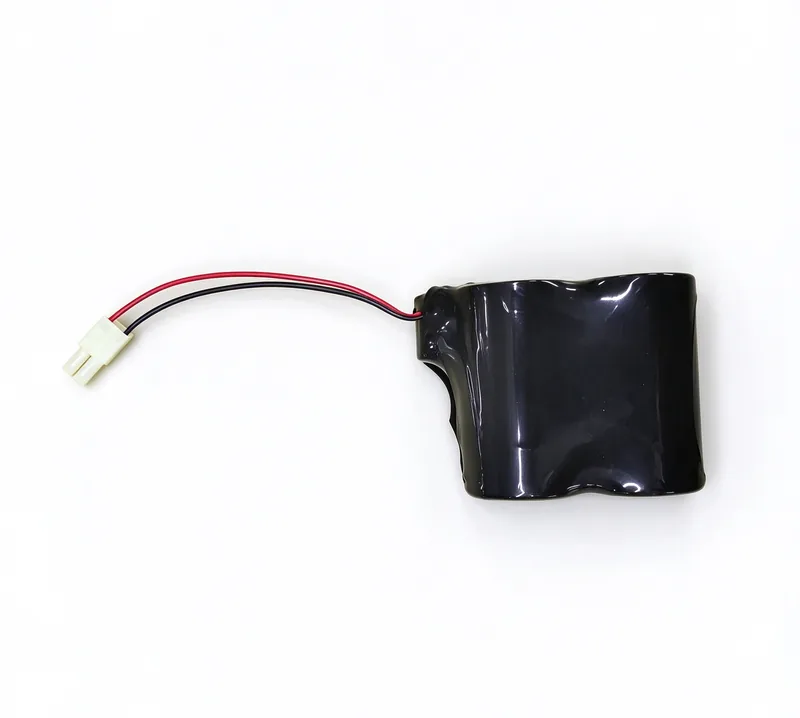
| Battery Type | ER Battery (LiSOCl2) |
|---|---|
| Model | ER34615 + SPC1520 |
| Nominal Voltage | 3.6V |
| Capacity | 38Ah |
| Peak Current | 2A @ 1S |
| Discharge Current | 2mA (to confirm the capacity) |
| Discharge Ending Voltage | 3.0V |
| Operating Temperature | Discharging -40~85°C |
| Approx. Weight | 210g |
| Application | IoT system / park signal |
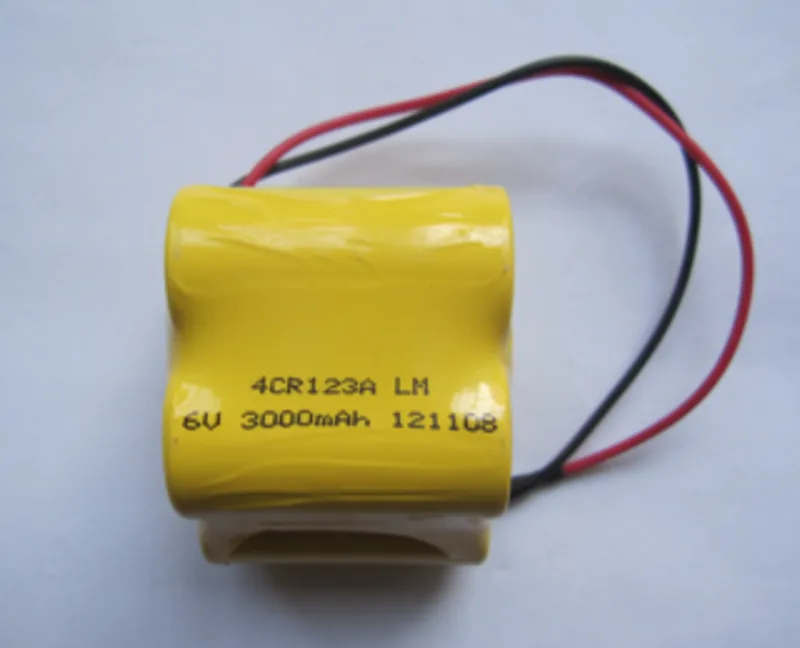
| Battery Type | CR Battery (LiMnO2) |
|---|---|
| Model | CR123A-2S2P |
| Nominal Voltage | 6V |
| Capacity | 3Ah |
| Peak Current | Pulse @ 1S |
| Discharge Current | 2mA (to confirm the capacity) |
| Discharge Ending Voltage | 4.0V |
| Operating Temperature | Discharging -40~85°C |
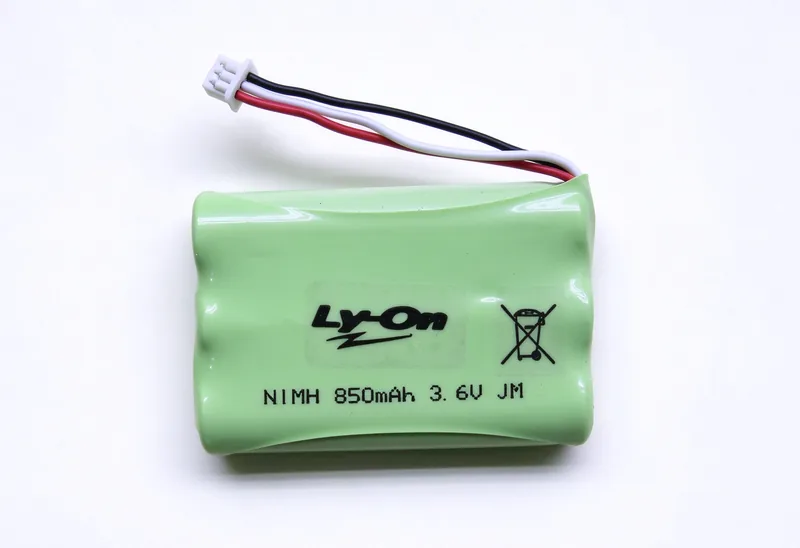
| Battery Type | NiMH Battery |
|---|---|
| Model | AAA850 |
| Nominal Voltage | 3.6V |
| Capacity | 850mAh |
| Discharge Current | ≤1.5A |
| Charge Current | 0.5A |
| Size | 10.8 × 31.8 × 44.5 mm |
| Cycle Life | >500 cycles (at 0.2C charge/discharge) |
| Operating Temperature | Charging 0~45°C · Discharging -20~45°C |
| Application | Telephone / backup power of telecom devices |
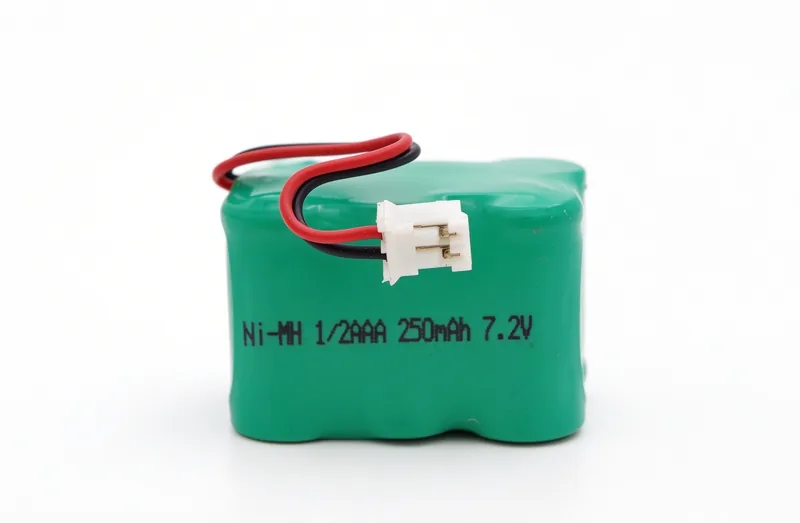
| Battery Type | NiMH Battery |
|---|---|
| Model | B250 |
| Nominal Voltage | 7.2V |
| Capacity | 250mAh |
| Discharge Current | ≤500mA |
| Charge Current | 50–150mA |
| Cycle Life | >500 cycles (at 0.2C charge/discharge) |
| Operating Temperature | Charging 0~45°C · Discharging -20~45°C |
| Application | Backup power of the telecom system |
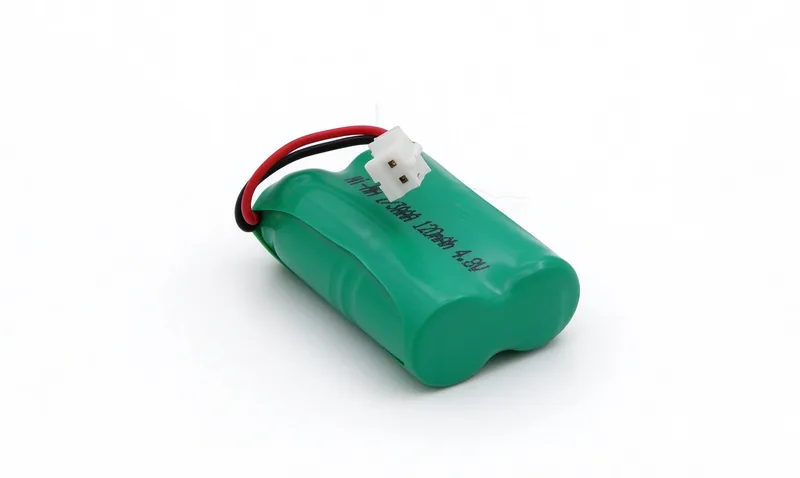
| Battery Type | NiMH Battery |
|---|---|
| Nominal Voltage | 4.8V – 7.2V |
| Capacity | 90mAh / 120mAh / 250mAh |
| Cycle Life | >500 cycles (at 0.2C charge/discharge) |
| Operating Temperature | Charging 0~45°C · Discharging -20~45°C |
| Output | Wire + plug |
| Application | Backup power of the telecom system |
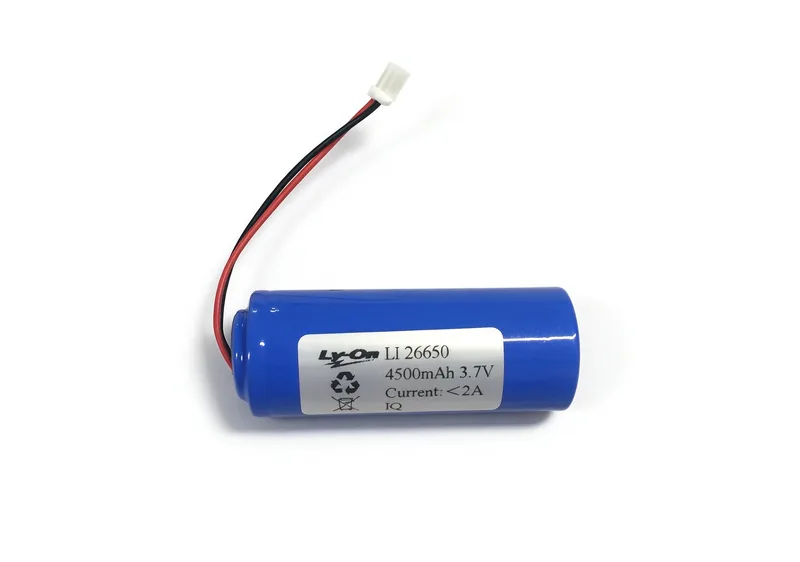
| Battery Type | Li-ion Battery |
|---|---|
| Model | INR26650-1S1P |
| Nominal Voltage | 3.7V |
| Capacity | 4500mAh |
| Discharge Current | 2A |
| Full-Charged Voltage | 4.2V |
| Discharge Ending Voltage | 3.0V |
| Cycle Life | >500 cycles (at 0.2C charge/discharge) |
| Operating Temperature | Charging 0~45°C · Discharging -20~60°C |
| PCM | Lower consumption current, with sleep mode |
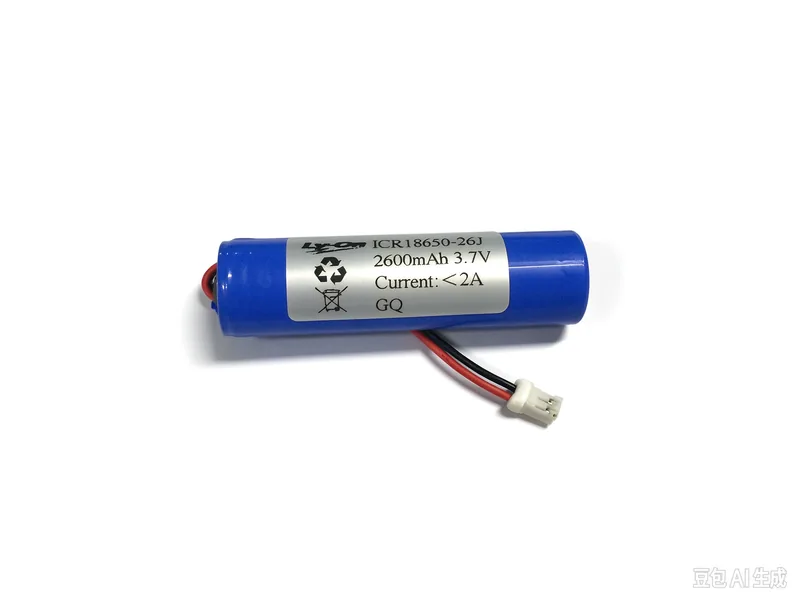
| Battery Type | Li-ion Battery |
|---|---|
| Model | INR18650-1S1P |
| Nominal Voltage | 3.7V |
| Capacity | 2600mAh / 3200mAh / 3500mAh |
| Discharge Current | 2A |
| Full-Charged Voltage | 4.2V |
| Discharge Ending Voltage | 3.0V |
| Cycle Life | >500 cycles (at 0.2C charge/discharge) |
| Operating Temperature | Charging 0~45°C · Discharging -20~60°C |
| PCM | Lower consumption current, with sleep mode |
Three decisions that determine battery life, reliability and cost in IoT and telecom devices.
Choose a non-rechargeable (primary) or rechargeable (secondary) battery system based on the applied device. Lithium thionyl chloride is best for ultra-low-power, long-life remote nodes; NiMH and Li-ion suit rechargeable backup duty; LiFePO4 suits solar and 12V backup systems.
The key technical points include basic discharge current, lifespan, operating temperature, voltage profile and peak pulse requirements. Share these parameters with our engineers so the cell and PCM can be matched to the load.
Add the relevant protection circuit in the device to avoid over-discharge. For rechargeable packs, specify a PCM with low quiescent current and sleep mode to preserve capacity during long standby periods.
Important operating and safety instructions. Please read carefully before installation and use.
Check the battery voltage before installation by pressing and holding the TEST button on the battery capacity indicator. If the indicator shows LOW or MED, recharging is required.
Fitting shall follow the instructions in the owner’s manual.
Do not short-circuit the positive and negative terminals with any metal conductor.
Do not pierce, strike, trample, fold or subject the battery to violent impact with metal tools or by any other means.
Do not place, charge or operate the battery inside vehicles or confined spaces where the ambient temperature may exceed 60°C.
Do not reverse-charge the batteries.
Do not disassemble or modify the battery, including its internal circuitry.
Do not use damaged batteries, including batteries with broken sealing edges, damaged outer PVC casing or electrolyte leakage. If the battery generates abnormal heat during operation, stop charging and discharging immediately.
Do not immerse the battery in water or expose it to moisture.
Do not use or store the battery near fire sources or heaters.
Do not throw the battery into fire or expose it to direct heat.