
IEC62133-2:2017: The full name is secondary cells and batteries containing alkaline or other non-acid electrolytes – Safety requirements for portable sealed secondary cells, and for batteries made from them, for use in portable applications – Part 2: Lithium systems. It specifies requirements and tests for the safe operation of portable sealed secondary lithium cells and batteries containing non-acid electrolyte, under intended use and reasonably foreseeable misuse. It is the necessary certification for sales the batteries in EU region. It is suitable the li-ion cells and packs under 60VDC, covering the application of various portable devices. Other bigger li battery packs should apply the other relative certification on the basic of the applied felid.
Features
- 3.2V working voltage platform; the flat discharge curve supplies stable DC output in power supply systems.
- No memory effect.
- Lowest working temperature -50°C at 3C current without a heating pad system.
- Supports low-temperature charging: -30°C at 1C current.
- Long cycle life: 2000-3000 cycles.
- Safer in short-circuit and over-charge conditions.
- Lower impedance and lower cost than the Li-ion material system.
- Environmentally friendly: no heavy metals or cobalt in the material system.
Technical Specifications
Battery Model List (Inner screw output)
| Model | Nominal Capacity (Ah) | Nominal Voltage (V) | Work Voltage Range (V) | Charge Current | Discharge Current | Size (L*W*h) (mm) |
|---|---|---|---|---|---|---|
| IFP36115200 | 50 | 3.2 | 2.5-3.65 | 1C | 3C | 115±0.2*36±1.0*200±0.5 |
| IFP36130200 | 80 | 3.2 | 2.5-3.65 | 1C | 3C | 130±0.2*36±1.0*200±0.5 |
| IFP50160118 | 100 | 3.2 | 2.5-3.65 | 1C | 2C | 160±0.8*50±0.5*118.6±0.5 |
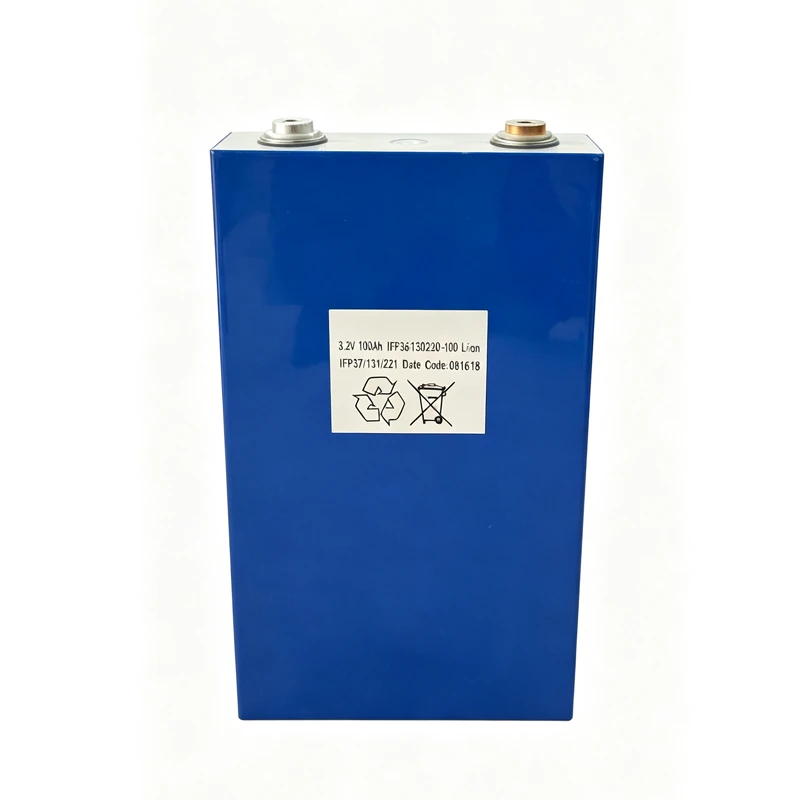
| IFP40130220 | 100 | 3.2 | 2.5-3.65 | 2C | 3C/10C | 130±0.2*40±1.0*220±0.5 |
| IFP71173208 | 280 | 3.2 | 2.5-3.65 | 0.5C | 0.5C | 173±0.2*71±1.0*208±0.5 |
| IFP71173208 | 314 | 3.2 | 2.5-3.65 | 0.5C | 0.5C | 173±0.2*71±1.0*208±0.5 |
Applications
- Outdoor power station
- AGV
- Electrical energy storage
- Electric vehicles
Certifications
UL 1642 certification requirements cover rechargeable lithium-ion batteries for use as a power supply in the products. It consist on the li battery cells and battery packs on safety tests.
UN38.3: UN Manual of Tests and Criteria, Section 38.3 (Transport of Dangerous Goods). All lithium batteries (and some sodium-ion batteries) – for air, sea, and land transport must apply the relative test report and certification. Li-ion battery cells and battery packs belongs to UN3480 in UN38.3. The batteries installed in a device should package on the basic of UN3481. ITAT rules only cargo can ship the li battery cells and packs.
Material Safety Data Sheet (MSDS) documents the material composition, handling and transport precautions of the battery, and is supplied where the buyer or carrier requires it.
(EU) 2023/1542: EU New Battery Regulation (Framework Regulation). It defines all battery categories (portable, SLI, LMT, EV, industrial). Battery should apply the relative certification on the basic of the application.
RoHS 2.0 (2011/65/EU) restricts hazardous materials, specifically lead, cadmium, and mercury, in electrical goods.
User Manual
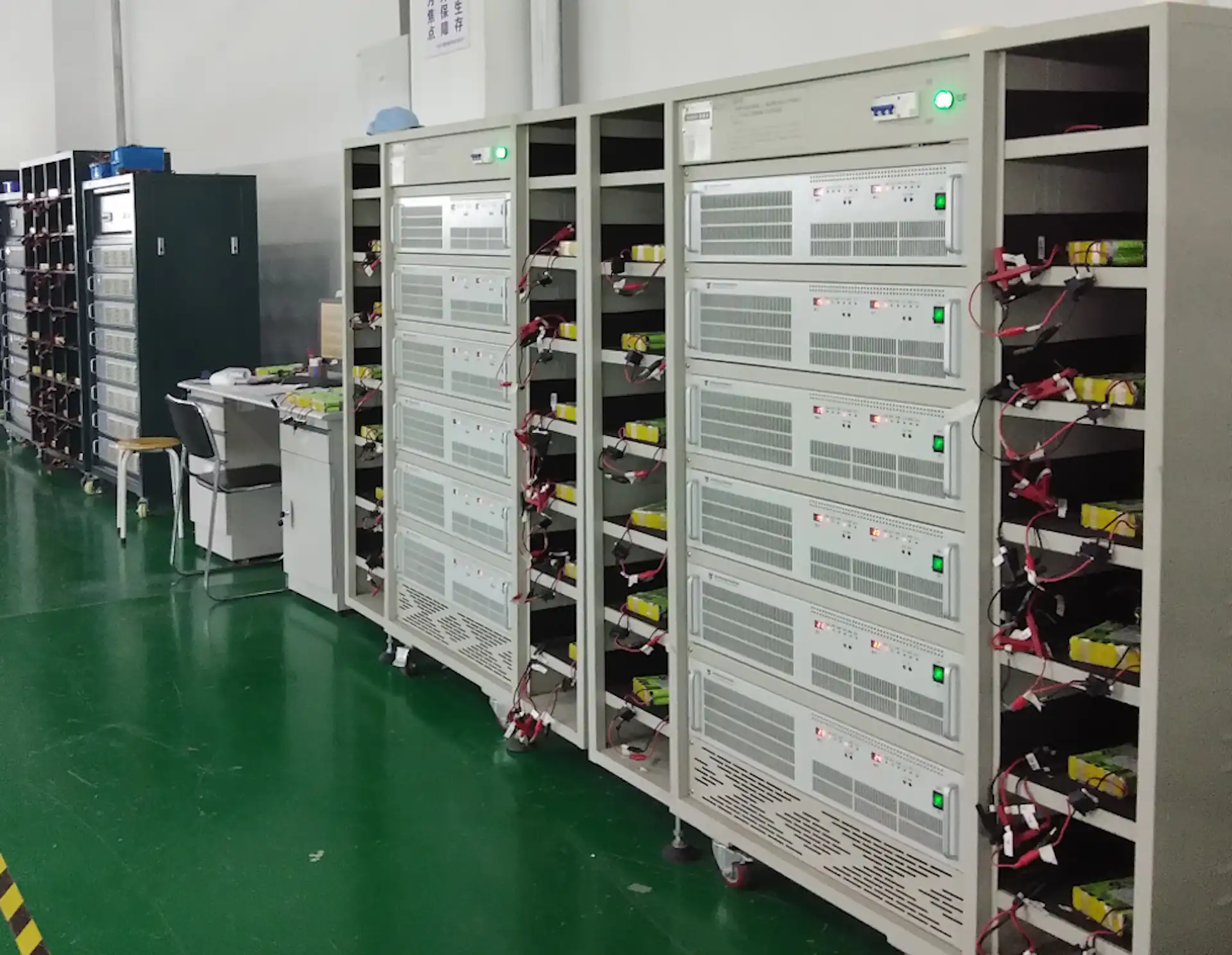
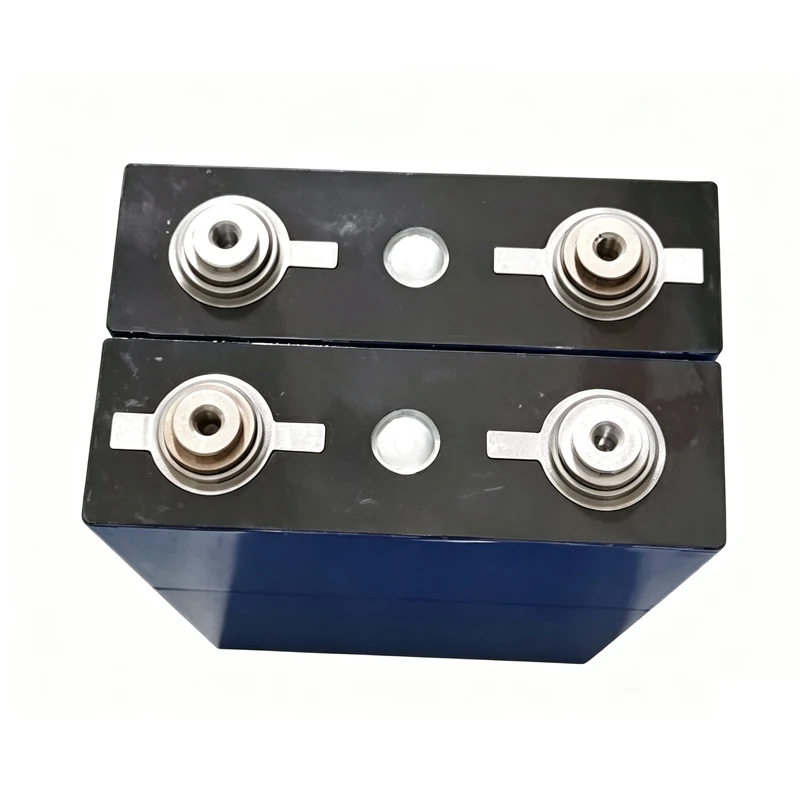
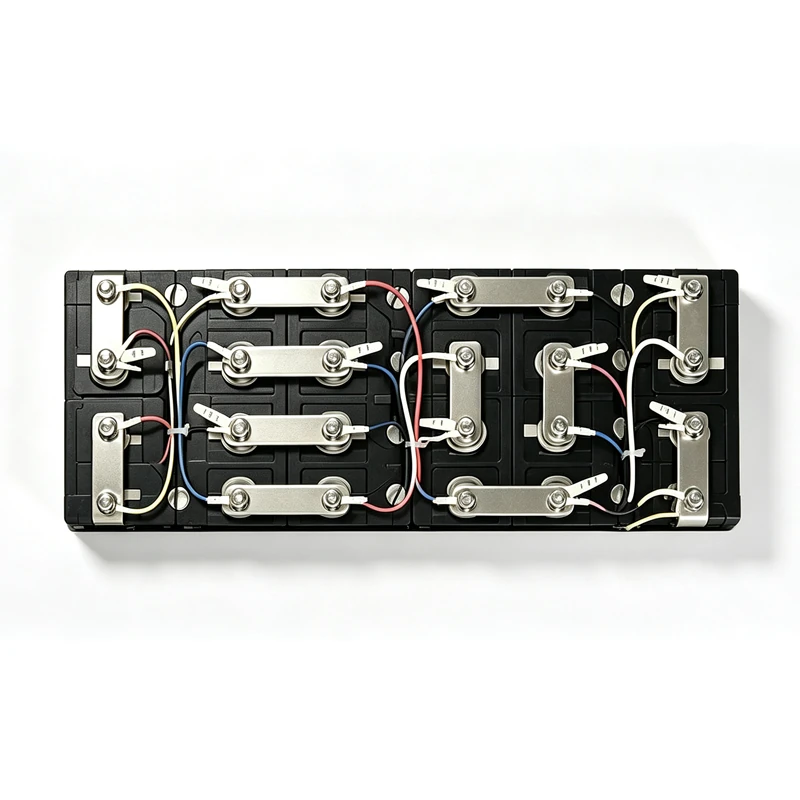
- Match SOC, OCV and impedance before assembling packs. The cells are connected by M6 screw with copper bar.
- A protection PCM is recommended. Select it by working voltage and pulse current; it should have over-charge, over-discharge and over-current protection at least.
- Do not mix cells of different models or from different manufacturers.
- Do not combine new and old cells.
- Do not charge or discharge cells that are overheated, inflated, deformed or leaking electrolyte.
- Do not overcharge or over-discharge.
- Do not short-circuit the positive and negative terminals with any metal conductor.
- Do not pierce, strike, trample, fold or violently impact the cells with metal tools or by any other means.
- Do not place, charge or operate the cell inside vehicles or confined spaces where the ambient temperature may exceed 60°C.
- Do not reverse-charge the cells.
- Do not disassemble or modify the cell, including its internal circuitry.
- Do not use damaged cells, including cells with broken sealing edges, damaged outer PVC casing or electrolyte leakage. If a cell heats abnormally, stop charging and discharging immediately.
FAQ
A: IFP36115200 at 50Ah, IFP36130200 at 80Ah, IFP50160118 at 100Ah, IFP40130220 at 100Ah and IFP71173208 at 280Ah or 314Ah, all at 3.2V nominal.
A: 2.5-3.65V for every model in the table.
A: Charge current is 0.5C-2C and discharge current is 0.5C-3C, with 3C/10C listed for IFP40130220 and 2C for IFP50160118.
A: The prismatic cells have an inner screw output and are connected by M6 screw with copper bar; match SOC, OCV and impedance before assembly.
A: UL1642, IEC62133-2:2017, UN38.3, MSDS, RoHS and (EU) 2023/1542.
Related Battery Products
Discover complementary products in our Li-Ion and energy storage lineup.
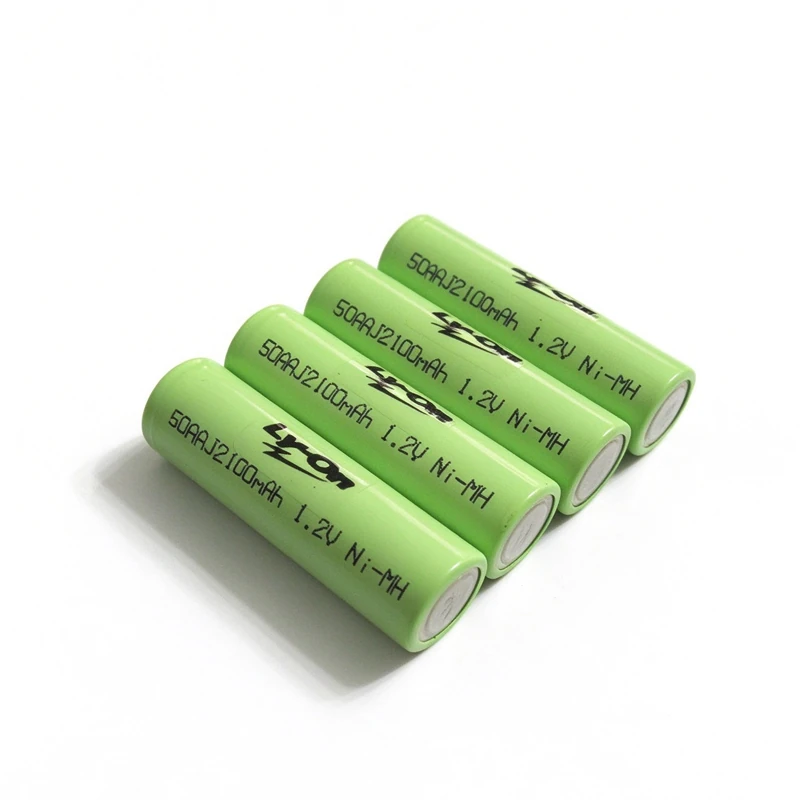
NIMH Cylindrical 1.2V 700-15000mAh Rechargeable Battery
NiMH cylindrical cells from AAA to F size, 1.2V and 700-15000mAh, with high-power, high-temperature, low-self-discharge and…
View Details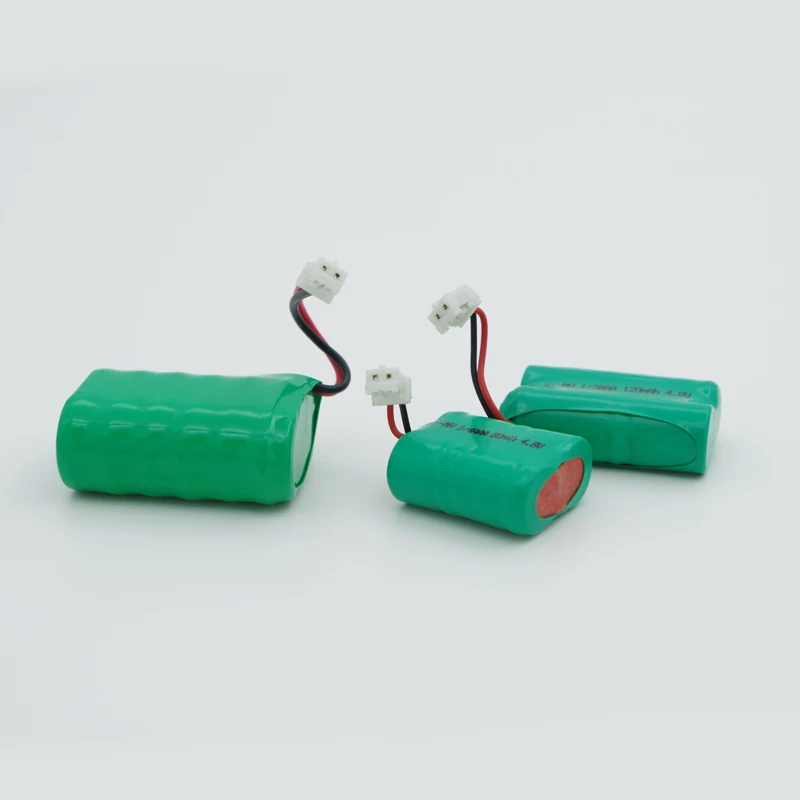
NIMH Button Cell 1.2V 20-330mAh Rechargeable Battery
NiMH button cells from B20 to B330, 1.2V and 20-330mAh, in button shapes for telecom equipment,…
View Details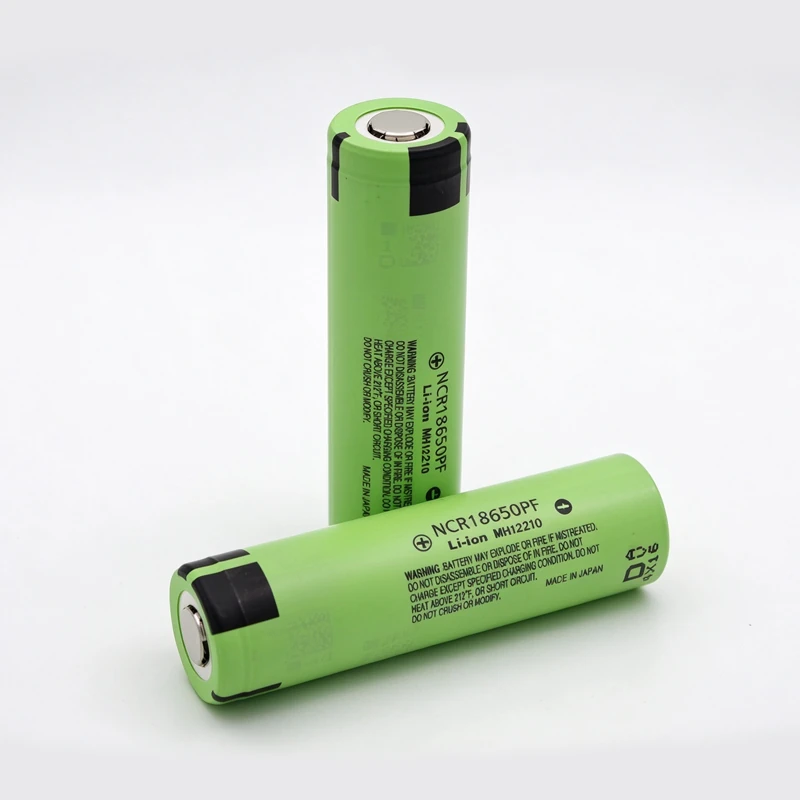
Li-ion High Capacity 3.6V 750-5000mAh Rechargeable Battery
Li-ion energy cells in ICR14500, INR18650, NCR18650, INR26650 and INR21700 sizes, 3.6V and 750-5000mAh, with 1000-2000…
View Details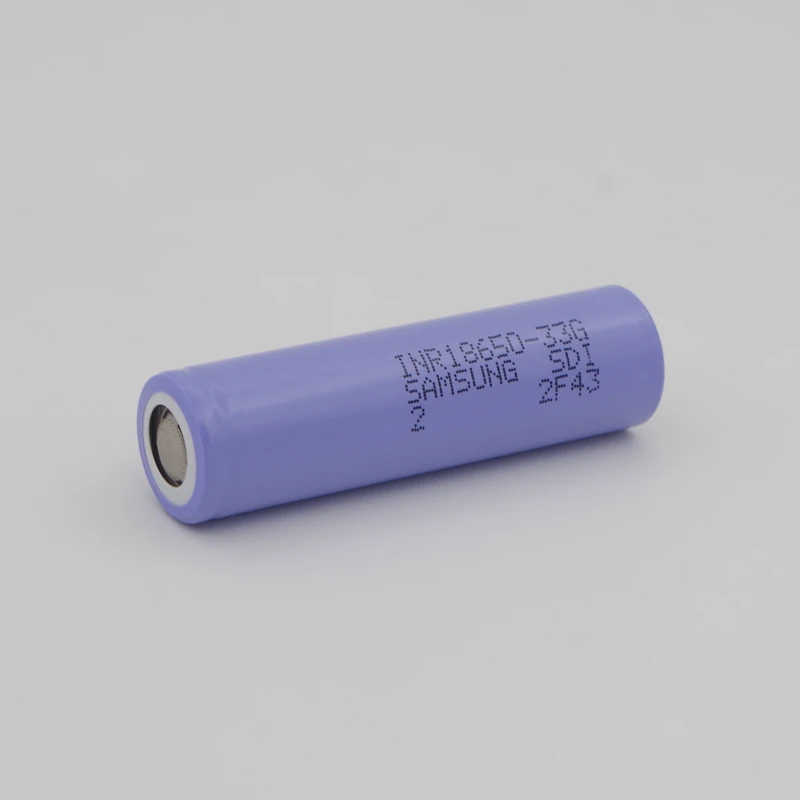
Li-ion High Power 3.6V 1500-4500mAh Rechargeable Battery
Li-ion power cells INR18650P/R/H and INR21700R/P, 3.6V and 1500-4500mAh, with 1-3C charge and 3C-10C discharge for…
View Details